

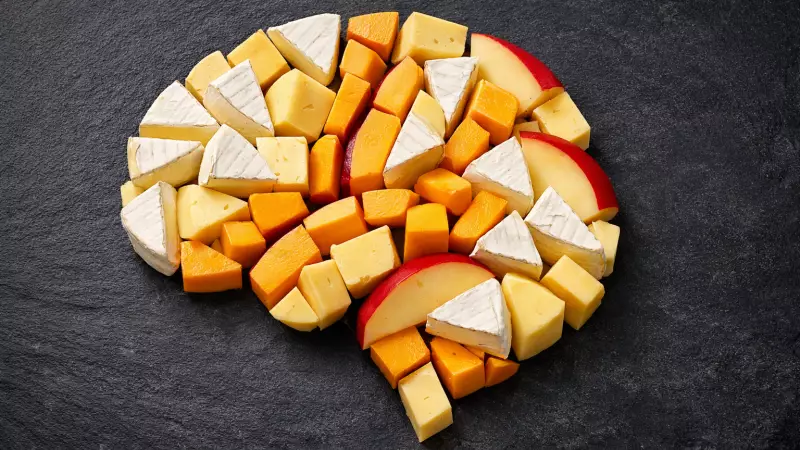
For years, nutritional guidelines have painted dietary fat, especially the saturated kind, as a villain. Full-fat dairy products were often placed on the 'use sparingly' list. However, a groundbreaking long-term study from Sweden is now challenging this deep-seated belief, at least concerning our brain's health.
Decades of Data Reveal a Surprising Link
A research team tracked participants for an impressive 25 years, gathering data on their dietary habits and health outcomes. The findings, which unsettle conventional wisdom, were published on January 05, 2026. The core discovery indicates that individuals who regularly included certain high-fat dairy items in their diet showed a modestly reduced risk of developing dementia in their later years.
Not All Dairy is Created Equal
The study's results are notably specific. The potential protective effect was not associated with all dairy products. According to the research, the benefits were linked specifically to the consumption of high-fat cheese and cream. Other common dairy items like milk, yoghurt, butter, and low-fat dairy alternatives did not demonstrate the same correlation with a lower risk of cognitive decline.

This distinction is crucial. It suggests that the effect may not be solely due to fat content but possibly to other bioactive compounds present in these fermented or specific full-fat products. The research emphasizes that the consumption was regular and in specific amounts, and the observed benefit applied to specific people, hinting that factors like genetics, overall diet, and lifestyle may interact with dairy intake.
Implications and Important Caveats
This study does not give a free pass to unlimited cheese consumption. The 'but...' in the findings is significant. Nutrition scientists caution that this is one observational study, and it establishes a correlation, not direct causation. Dementia risk is influenced by a complex web of factors including genetics, exercise, overall dietary patterns, cardiovascular health, and social engagement.
The takeaway for the public, particularly in India where dairy is a dietary staple, is nuanced. It encourages a re-evaluation of the blanket 'fat is bad' dogma. Instead of fearing all full-fat dairy, the focus might shift towards the quality and type of food consumed. Integrating moderate amounts of traditional, high-quality cheese into a balanced diet rich in fruits, vegetables, and whole grains could be a part of a brain-healthy lifestyle, but it is not a magic bullet.
The long-term Swedish research adds a vital piece to the puzzle of dementia prevention. It opens new avenues for investigation into how specific food components protect the aging brain. For now, it suggests that the story of diet and brain health is far more intricate than we once thought.






