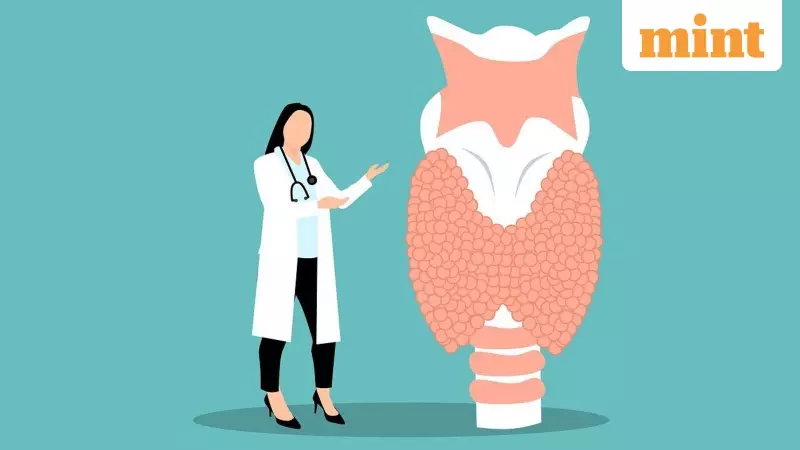
Why Calories Alone Don't Fix Thyroid Problems
For decades, weight and metabolism discussions have centered on calories. People talk about how much we eat and how much we burn. But this calorie-focused approach often misses the mark for those with thyroid conditions.
The thyroid gland is not a passive responder to energy intake. It operates through a complex network of vitamins and minerals. These nutrients help produce, activate and regulate the hormones that determine how your body uses food.
According to Amrutha Gowri, a nutrition and lifestyle management expert at My Balance Bite, calories act like fuel for your body. But a machine cannot run on fuel alone. It also needs functioning parts.

The production of thyroid hormones depends on enzymes, transport proteins and cellular receptors. All these components require adequate vitamins and minerals to work effectively.
Micronutrients That the Thyroid Depends On
Iodine
Thyroid hormones contain iodine as a fundamental element, Gowri explains. Without it, the gland cannot produce thyroxine (T4) and triiodothyronine (T3).
While severe iodine deficiency is uncommon today, mild to moderate deficiency occurs more frequently. This affects people who do not consume animal products or use iodised salt.
At the same time, excess iodine can overstimulate or aggravate the thyroid. This emphasizes the importance of balance rather than random supplementation.
Selenium
Selenium plays a critical role after hormones are synthesized. It helps convert T4, an inactive hormone, into T3. T3 is the active form that influences metabolism at the cellular level.
Selenium also protects thyroid tissue from oxidative stress. This protection is particularly important in autoimmune thyroid disorders.
Iron
Iron supports enzymes necessary for thyroid hormone production. Low iron levels can impair hormone synthesis even when iodine intake is adequate.
This problem is especially common among menstruating women. It also affects people with poor absorption and those following restrictive diets.
Zinc
Zinc affects hormone signalling and receptor sensitivity. Without sufficient zinc, thyroid hormones may be present in the bloodstream but ineffective at the tissue level.
Zinc deficiency can also contribute to hair loss and weakened immunity. Both these issues are commonly associated with thyroid disorders.
Vitamin D and Vitamin B
Vitamin D helps regulate immune function. This makes it particularly relevant in autoimmune thyroid disease.
B vitamins, especially B12 and folate, are essential for energy production. They also help maintain nervous system health.
When Diet Quality Beats Diet Restriction
A low-calorie diet can be counterproductive for people with thyroid conditions. Undereating limits nutrient availability. It raises stress hormones and may further slow metabolism.
Diets focused on nutrient density work better for thyroid health. Whole foods rich in vitamins, minerals and antioxidants provide more support over the long term.
Healthy fats, vegetables and trace minerals help regulate blood sugar. They support hormone conversion and reduce inflammatory stress on the thyroid.
Nutritional needs should be individualised, however. Foods that benefit one person's thyroid may aggravate another's condition.
A Smarter Way Forward
For those with thyroid issues, the goal is not aggressive dieting or fasting. The real objective is adequate nourishment.
Identifying common micronutrient deficiencies makes a difference. Increasing dietary variety and avoiding unnecessary food eliminations can help ease symptoms. These changes improve quality of life.
Calories matter, but when it comes to thyroid health, they are only part of the equation. Micronutrients are essential for hormone production, activation and responsiveness.
Addressing nutritional gaps through balanced, informed choices works effectively. This approach helps restore metabolic balance and supports long-term health.
The author, Nivedita, is a freelance writer. She writes on society, culture, health and entertainment.