

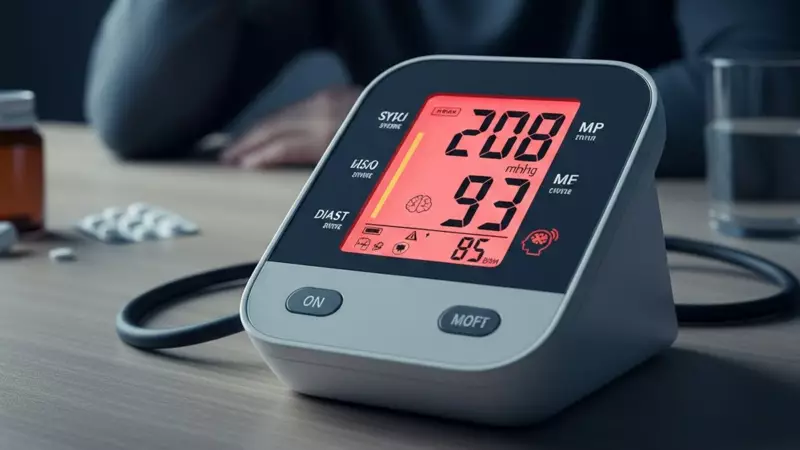
Imagine waking up with a pounding headache. You check your blood pressure, and the numbers shock you: 208/93 mmHg. Should you worry? According to a top cardiologist, this scenario demands urgent medical attention, not home remedies.
Why Is This Blood Pressure Reading So Dangerous?
Dr Parin Sangoi, a consultant interventional cardiologist at Wockhardt Hospitals in Mumbai Central, explains the gravity of the situation. He states that any blood pressure reading above 180 on the upper number qualifies as a medical emergency. When such high numbers appear, especially alongside symptoms like a headache, the body faces immense strain. Immediate intervention becomes essential to prevent harm.
Understanding the Link Between High Blood Pressure and Headaches
Why does a severe headache often accompany very high blood pressure? Dr Sangoi clarifies that elevated pressure disrupts normal blood flow to the brain. This stress on blood vessels can trigger pain, pressure, or a throbbing sensation. While not every headache signals high blood pressure, an unusual or intense headache paired with extreme readings serves as a critical warning sign.

Should You Treat This as an Emergency Even with Mild Symptoms?
Yes, absolutely. Dr Sangoi emphasizes that even if the headache stands as the only symptom, such a high blood pressure reading should never be managed at home. Waiting for symptoms to worsen significantly increases the risk of serious complications. These complications can affect vital organs like the brain, heart, kidneys, or eyes, leading to long-term damage.
Immediate Steps to Take in This Situation
What should you do right away? The answer is clear: seek emergency medical care without delay. Dr Sangoi advises that this level of high blood pressure requires supervised treatment and continuous monitoring. Attempting to adjust medications on your own, simply lying down, or hoping the issue resolves itself is unsafe and risky.
Several factors can contribute to such sudden spikes in blood pressure. These include stress, missed doses of blood pressure medications, excessive salt intake, dehydration, pain, lack of sleep, or hormone-related issues. In some cases, hormone imbalances can cause unpredictable surges that catch individuals off guard.
What to Avoid Doing During a Blood Pressure Crisis
Dr Sangoi outlines key actions to avoid during such an emergency:
- Avoid physical exertion or strenuous activities.
- Do not attempt to drive yourself to the hospital.
- Steer clear of caffeine and smoking.
- Try to stay calm and avoid panicking.
- Never take extra doses of medication unless a healthcare professional specifically advises it.
Post-Treatment Care and Long-Term Management
Once the immediate crisis stabilizes, what comes next? Dr Sangoi describes that further tests are usually necessary to understand the underlying cause of the spike. Long-term control depends on a consistent approach:
- Regular monitoring of blood pressure levels.
- Strict adherence to prescribed medication plans.
- Effective stress management techniques.
- Ensuring adequate and quality sleep.
- Making sustainable dietary changes, such as reducing salt intake.
Disclaimer: This article is based on information from public sources and expert consultations. Always consult your healthcare practitioner before starting any new health routine or making changes to existing treatments.






