Early Bone and Joint Wear Becomes a Rising Issue for Younger Indians
Health experts in India are sounding the alarm. They report a significant increase in bone and joint wear among adults aged 30 to 45. This condition, often linked to older age groups, is now affecting younger people at an alarming rate.
What Does Early Wear Mean?
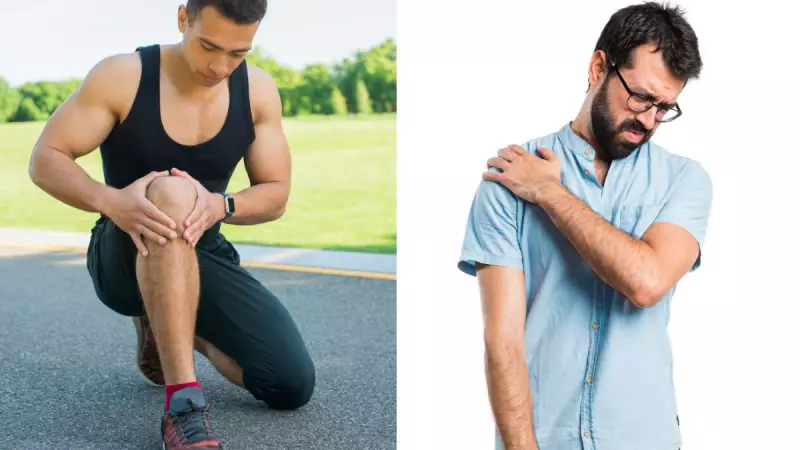
Early bone and joint wear refers to the premature deterioration of these body parts. It can lead to pain, stiffness, and reduced mobility. Typically, such issues appear in people over 50. However, recent data shows a shift toward younger demographics.
Doctors note that this trend is not isolated. It spans urban and rural areas across India. Many patients in their 30s and 40s now seek treatment for joint problems. They complain of discomfort during daily activities.

Key Factors Driving This Health Shift
Several lifestyle factors contribute to this early wear. Sedentary habits top the list. Long hours of sitting at desks or using devices weaken muscles and strain joints. Poor posture exacerbates the problem.
Diet plays a crucial role too. Many Indians consume diets low in calcium and vitamin D. These nutrients are essential for bone strength. Deficiencies can accelerate wear and tear.
Obesity is another major factor. Excess weight puts additional pressure on joints, especially the knees and hips. This speeds up deterioration. Stress and lack of sleep may also weaken bone health over time.
Impact on Daily Life and Work
Early bone and joint wear affects quality of life significantly. Young adults experience pain that limits their mobility. Simple tasks like climbing stairs or carrying groceries become challenging.
Work productivity can suffer as well. Discomfort may lead to frequent sick leaves or reduced efficiency. This has economic implications for individuals and the broader economy.
Preventive Measures and Recommendations
Health professionals emphasize prevention. Regular physical activity is vital. Exercises like walking, swimming, or yoga strengthen muscles and support joints. They recommend at least 30 minutes of moderate activity daily.
A balanced diet rich in calcium and vitamin D is essential. Include dairy products, leafy greens, and fortified foods. Sun exposure helps the body produce vitamin D naturally.
Maintaining a healthy weight reduces joint stress. Avoid prolonged sitting by taking short breaks to stretch. Ergonomic furniture can improve posture at work.
Early detection through regular check-ups is crucial. If symptoms arise, consult a doctor promptly. Treatments may include physiotherapy, medication, or lifestyle adjustments.
A Call for Awareness and Action
This trend underscores the need for greater health awareness in India. Public health campaigns should target younger adults. They must highlight the importance of bone and joint care.
Employers can contribute by promoting workplace wellness programs. Schools and colleges might integrate health education into curricula. Together, these efforts can mitigate the rise in early wear cases.
The situation demands immediate attention. By adopting healthier habits, younger Indians can protect their bone and joint health for years to come.