

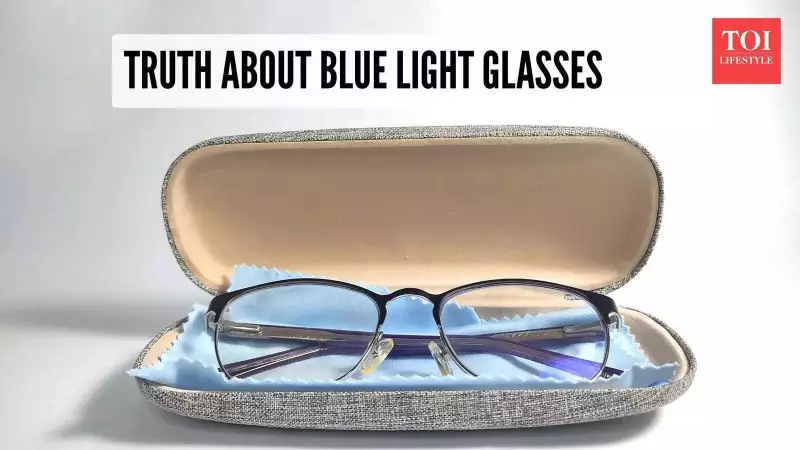
In a world dominated by screens, blue light glasses have been marketed as essential shields for our eyes. Promises of protection from digital devices, improved sleep, and long-term eye safety have fueled a booming industry. However, a growing chorus of eye care professionals is now challenging this narrative, calling the trend a clever but misleading marketing ploy.
The 'Marketing Scam' Accusation
Recently, ophthalmologist Dr Surbhi Joshi Kapadia sparked a significant debate by publicly calling blue light glasses a "marketing scam." This bold statement from a medical professional has forced consumers to look beyond the advertising hype and examine the scientific facts calmly and clearly. The core of the argument lies in the actual strength and impact of the blue light emitted from our everyday devices.
What Science Actually Says About Screen Light
The fundamental fact, according to eye doctors, is that the blue light from phones, laptops, and TVs is very weak. It is significantly weaker than the natural blue light present in sunlight. Sunlight contains much higher energy levels, yet normal daily exposure does not damage healthy eyes for the vast majority of people. Current scientific evidence does not support the claim that screen blue light causes eye diseases like cataracts or leads to permanent retinal damage.

The real culprit behind the burning eyes, dryness, blurred vision, and headaches that many screen users experience is digital eye strain. This condition arises from our habits, not the light itself. Long hours in front of a screen lead to reduced blinking, causing dryness. The muscles around our eyes remain tense from constant focusing, and poor sitting posture adds neck and shoulder stress, which can trigger headaches. Blaming blue light simply masks these underlying, addressable causes.
The Ineffectiveness of Blue Light Glasses
Even if one chooses to use them, the protection offered by most commercial blue light glasses is minimal. These lenses typically block only 5 to 15 percent of blue light, a reduction too small to create any meaningful change in eye health outcomes. The yellowish tint of the lenses may create a subjective feeling of relief, but doctors assert this comfort is largely psychological. Consumers are often paying a premium for branding rather than a proven medical benefit.
Critically, there is no strong clinical evidence demonstrating that these glasses prevent age-related eye problems, cataracts, or vision loss. They also do not treat conditions like dry eye disease. Medical professionals unanimously agree that daily habits and ergonomics are far more impactful for eye health than any special lens coating.
Proven Strategies to Combat Digital Eye Strain
Instead of relying on unproven filters, eye doctors recommend simple, effective behavioural changes:
- The 20-20-20 rule: Every 20 minutes, look at something 20 feet away for at least 20 seconds.
- Correct spectacle power: Ensure your prescription glasses or computer glasses are up-to-date, as even small errors increase strain.
- Optimize lighting: Avoid using screens in dark rooms or under harsh glare. Ambient lighting should be comfortable.
- Use lubricating eye drops: If advised by a doctor, these can help manage frequent dryness caused by reduced blinking.
These steps work because they directly address the root causes of digital eye strain—prolonged focus, poor posture, and dry eyes.
The persistence of the blue light glasses myth highlights a desire for a quick fix in our screen-heavy lives. The idea offers a sense of modern protection and control. However, sustainable eye health is rarely achieved through shortcuts. Doctors observe real improvement when patients consciously blink more, take regular visual breaks, and correct their posture. Good habits protect vision effectively and quietly, without the need for special filters or expensive frames.
Disclaimer: This article is intended for general awareness only and does not constitute medical advice. Persistent or worsening eye symptoms should always be evaluated by a qualified ophthalmologist or eye care professional.






