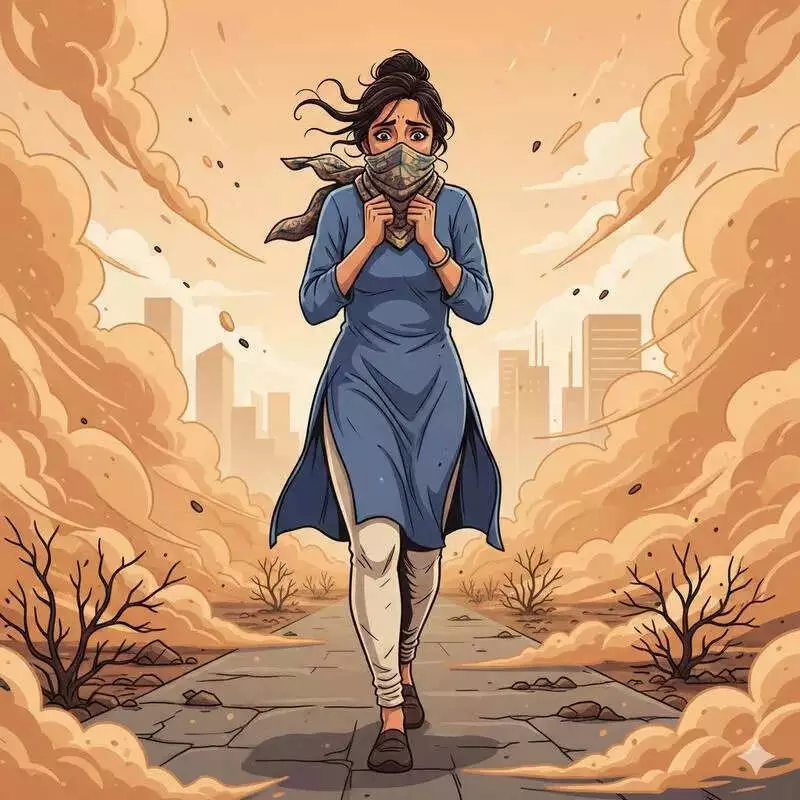
Bengaluru's Air Pollution Takes Toll on Mental Well-being
Bengaluru's declining air quality is now affecting residents beyond just physical health concerns. Medical professionals across the city report a noticeable increase in patients experiencing anxiety, sleep disturbances, persistent fatigue, and elevated stress levels. This emerging pattern suggests a direct connection between prolonged exposure to polluted air and deteriorating mental health.
Medical Experts Confirm the Link
Sunil Maria Benedict, a psychologist at Hosmat Hospitals in Kalyan Nagar, states clearly that air pollution significantly impacts residents' mental well-being. "When pollution levels climb, we observe a corresponding rise in mental health challenges", he explains. "Extended periods of high Air Quality Index readings consistently correlate with increased cases of anxiety disorders, depressive symptoms, stress-related conditions, and cognitive complaints. Vulnerable population groups appear particularly affected."
How Pollution Affects the Brain
Dr Swapna Bondade, consultant psychiatrist at Apollo Clinic in HSR Layout, describes the physiological mechanisms at work. Air pollutants can trigger neuroinflammation and oxidative stress within the nervous system. "This means the body accumulates toxic oxygen forms in response to pollutants", she clarifies. "These substances harm both body and brain, potentially damaging cells over time. Short-term effects often include fatigue, anxiety, or brain fog."

Dr Bondade notes that two-wheeler riders frequently report unusual tiredness and concentration difficulties on high-pollution days. "While not everyone experiences these symptoms, sensitive individuals definitely feel the effects more strongly", she adds.
Beyond Physical Effects: The Psychological Burden
Dr Girishchandra BG, medical director and senior consultant at Maarga Mind Care, emphasizes that pollution's mental health impact extends far beyond physiological changes. "Constant pollution alerts, reduced outdoor activity, and health fears create a chronically stressful environment", he observes.
This stress manifests differently across age groups:
- Children face restricted play and social interaction opportunities
- Older adults reduce physical activity due to breathlessness concerns
- Working professionals report declining productivity and emotional exhaustion
"Over time, these disruptions contribute to social isolation, learned helplessness, and heightened health anxiety", Dr Girishchandra notes.
Pollution as Mental Health Trigger
For individuals with existing mental health conditions, air pollution can act as a significant trigger. Dr Girishchandra explains specific patterns:
- Panic disorder patients may experience more breathlessness-related episodes
- Depression sufferers might find their moods worsening
- Individuals with psychotic or neurocognitive disorders could exhibit greater behavioral and cognitive impairment
"These patterns highlight pollution as a modifiable environmental stressor that must be considered in mental health assessment and treatment planning", he stresses.
The Rise of Climate Anxiety
Doctors are now observing signs of climate anxiety among Bengaluru residents, particularly younger individuals. This condition involves persistent fear about environmental degradation and the planet's future.
"Climate anxiety represents a relatively new phenomenon", Dr Bondade notes. "Some young people harbor deep concerns about Earth's future. One individual even told me she didn't want children, fearing they would inherit a polluted world. While not yet widespread, this anxiety is becoming more common among environmentally conscious citizens."
The growing evidence from Bengaluru's medical community suggests that air pollution's effects extend well beyond respiratory issues, directly impacting mental health across all age groups. As pollution levels continue to challenge the city, addressing these psychological consequences becomes increasingly urgent for public health authorities and residents alike.