

Understanding Beard Burn: When Kissing Leads to Skin Irritation
Kissing is typically associated with intimacy and affection, but for many individuals, this romantic gesture can result in unexpected skin discomfort. What begins as a tender moment can quickly transform into a distressing experience characterized by redness, itching, and burning sensations on the face. This phenomenon, often mistakenly dismissed as mere "sensitive skin," has a specific medical designation that dermatologists are increasingly addressing in clinical practice.
The Medical Reality Behind Beard Burn
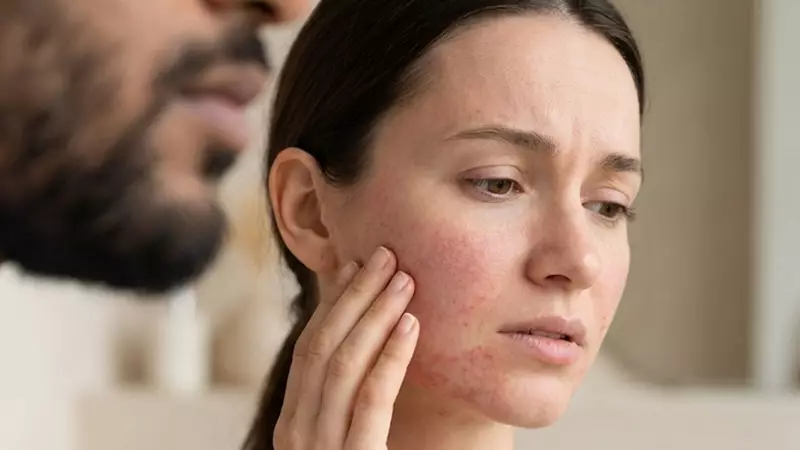
Dr. Kunal Sood, a physician based in Maryland, recently brought attention to this condition through social media, identifying it as "beard burn." He describes the sudden onset of symptoms, noting how individuals can transition from sharing a kiss to developing an uncomfortable, itchy rash on their facial skin within moments. The condition manifests when coarse facial hair repeatedly makes contact with delicate skin surfaces, leading to visible redness, dryness, and painful irritation that can persist for hours or even days.
While beard burn might appear as a temporary inconvenience, medical professionals emphasize that it carries potential health implications. The constant friction between facial hair and skin can create microscopic tears in the epidermal layer. According to Dr. Sood, these minute skin breaches significantly elevate infection risks, including conditions like impetigo—a highly contagious bacterial infection that spreads easily through skin-to-skin contact. The problem extends beyond hair texture alone, involving factors such as personal hygiene practices, skin barrier integrity, and the frequency of irritation episodes.

Dermatological Insights into Skin Damage
Dr. Swetha Sridhar, Medical Director at Dr. Swetha's Skin Sutra Clinic, provides detailed anatomical explanations for beard burn reactions. "This condition occurs when coarse facial hair repeatedly rubs against delicate skin areas, most commonly affecting the cheeks, chin, neck, and perioral regions," she explains. "The mechanical friction disrupts the stratum corneum—the skin's outermost protective barrier—creating microscopic abrasions that compromise the epidermis."
Once this crucial protective layer becomes damaged, the skin experiences accelerated moisture loss and increased vulnerability to inflammation and irritation. The severity of reactions varies significantly among individuals due to multiple influencing factors. "People with naturally sensitive skin, eczema-prone conditions, rosacea, or pre-existing barrier weaknesses tend to exhibit stronger responses," notes Dr. Sridhar. "Beard texture plays a crucial role, with thicker, curlier, or freshly trimmed stubble presenting sharper edges that cause more pronounced mechanical irritation."
Environmental elements further complicate the picture, as dry weather conditions, existing acne, or harsh skincare product usage can amplify inflammatory responses, creating a perfect storm for skin discomfort.
Practical Prevention and Management Strategies
Addressing beard burn effectively requires a dual approach focusing on both facial hair management and skin barrier protection. Dr. Sood recommends several preventive measures, including regular moisturizing routines, beard hydration practices, consistent trimming, and maintaining cleanliness to significantly reduce irritation risks.
For long-term management, Dr. Sridhar emphasizes friction reduction over symptom masking with multiple products. "Maintaining slightly longer, well-conditioned facial hair helps soften the beard and minimize abrasive effects," she suggests. "Regular application of mild beard conditioners or oils can substantially improve hair texture, while avoiding very close trimming before intimate contact reduces irritation potential, as freshly cut stubble typically causes the most discomfort."

Individuals with sensitive skin should prioritize barrier strengthening through simplified skincare routines. Using gentle cleansers followed by fragrance-free moisturizers containing barrier-repair ingredients like ceramides often proves sufficient. "It's crucial to avoid overusing active ingredients such as exfoliating acids or retinoids in beard burn-prone areas," Dr. Sridhar advises. "If irritation persists despite preventive measures, consulting a dermatologist for targeted treatments is preferable to layering multiple over-the-counter products, which may exacerbate sensitivity over time."
Health Considerations and Professional Guidance
While beard burn represents a common dermatological concern, its potential complications warrant serious attention. The risk of secondary infections, particularly in cases where skin integrity becomes compromised, highlights the importance of proper management. Medical professionals stress that persistent or severe symptoms should prompt consultation with healthcare providers rather than self-treatment attempts.
Understanding individual skin characteristics, beard textures, and environmental factors enables more effective prevention strategies. As awareness grows regarding this condition, couples can implement practical solutions to maintain intimacy without sacrificing skin health, creating a balance between romantic expression and dermatological wellbeing.
Disclaimer: This information is compiled from expert insights and publicly available medical knowledge. Always consult healthcare professionals before implementing new skincare routines or treatments.





