

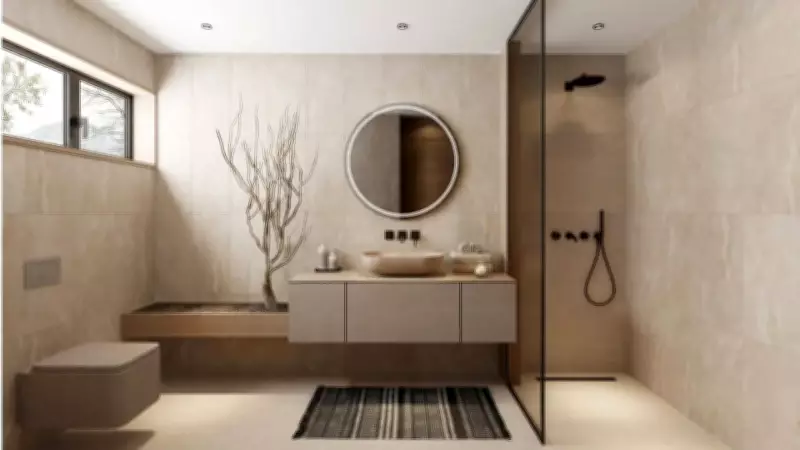
The Overlooked Sleep Disruptor: Your Bathroom
We invest considerable time and resources into creating the perfect bedroom environment for restful sleep—selecting premium mattresses, installing blackout curtains, and optimizing temperature control. Yet, there exists one frequently visited room that can shatter a peaceful night's slumber within moments: the bathroom. In the comprehensive discourse surrounding sleep wellness, this essential space is often neglected, despite being a common pre-bedtime destination. Could your bathroom's design be secretly undermining your sleep?
The 'Midnight Interruption' Phenomenon
In an exclusive interview with the Times of India, Priya Rustogi, Leader and Managing Director for India at LIXIL IMEA, elaborated on this critical issue. "The 'Midnight Interruption' presents a genuine challenge to sleep hygiene," she explained. "When you awaken at 3 a.m., your body remains in a delicate, restorative state. A visit to a conventional bathroom abruptly disrupts this equilibrium. Cold tile floors and frigid toilet seats deliver a physical shock to the system, while activating harsh, bright lighting jolts the brain into alertness. This sudden transition from restful drowsiness to full wakefulness significantly hinders the ability to fall back asleep."
This concept finds strong support in contemporary scientific research. A pivotal 2026 study published in the esteemed journal Sleep Medicine concluded that "exposure to bright light, temperature discomfort, and sensory stimulation during nocturnal awakenings substantially impairs the capacity to return to sleep." This evidence validates the 'midnight interruption' theory, illustrating precisely how elements like glaring bathroom lights and chilly surfaces can fracture natural sleep cycles. Emerging studies increasingly underscore the surprisingly vital role a serene, low-stimulation bathroom environment can play in safeguarding overall sleep quality.

Transforming the Bathroom into a Wellness Sanctuary
Abdulkader Bengali, Managing Director at Hansgrohe India, contributed his expert perspective, stating, "For countless individuals, the bathroom serves as the final pause in the daily routine—a precious moment to briefly disconnect from digital screens, ambient noise, and external stimulation. When this space is intentionally designed to be calm, clean, and contemplative, it naturally facilitates the body's transition into a state of rest."
As bathroom design evolves, it is quietly being reimagined as a potent wellness tool. Contemporary premium fixtures now prioritize silent operation, aesthetic harmony, ergonomic comfort, and cutting-edge hygiene technologies. These integrated features collaboratively cultivate a tranquil, almost spa-like atmosphere that helps mitigate overstimulation—a primary contributor to insomnia.
According to Rustogi, addressing this issue requires a fundamental shift in perspective. "We must begin to view the bathroom differently. It should transcend its traditional role as a mere utility space and actively support our biological imperative for rest," she asserted. She proposes a solution rooted in blending two distinct philosophies: German engineering precision with Japanese hospitality principles. "Envision the bathroom as a sanctuary of care. By infusing this level of empathy into product design, we can transform the toilet from a sleep disruptor into an instrument that actively preserves and protects rest."
The humble toilet has thus graduated from a purely utilitarian corner to arguably the home's most underrated wellness device—an upgrade with direct, tangible impacts on daily peace of mind, interpersonal harmony, hormonal balance, and even professional self-assurance. It is emerging as a private sanctuary and a profoundly overlooked lever for enhancing happiness.

Creating a 'Sensory Neutral' Environment
The ultimate objective is to establish what experts term a "sensory neutral" environment. Rustogi elaborated, "An intelligently designed bathroom should function seamlessly around you without demanding conscious attention. Modern smart toilets now incorporate motion sensors to emit a soft, low-level glow, eliminating the need for jarring overhead lights. Automated lids open without physical contact, and heated seats pre-adjusted to body temperature prevent the shocking sensation of cold. These innovations allow you to navigate the space while maintaining a drowsy, relaxed state. In the modern home, true luxury is defined by comfort and conscientious care—ensuring that a simple nighttime visit doesn't forfeit your precious rest."
Further scientific validation comes from a 2026 study in the Journal of Clinical Sleep Medicine, which found that "even brief exposure to high-intensity light at night can heighten alertness and delay the body's return to sleep by disrupting melatonin production." This reinforces the critical point about harsh bathroom lighting activating the brain and underscores why gentle, ambient illumination is paramount for preserving sleep readiness.
Expert-Recommended Features for a Sleep-Friendly Bathroom
A serene bathroom environment can profoundly influence how swiftly the mind settles before sleep. Bengali recommends several key design and technological features:
- Quiet-Flush Engineering: Premium systems utilize precision flushing channels, insulated tanks, and pressure-controlled water flow to guarantee whisper-quiet operation, protecting the tranquility of late-night routines.
- Gravity Flush Technology: This method creates a powerful, consistent flow for thorough cleaning without relying on noisy pressure systems, ensuring a smooth and silent process.
- Automatic Touchless Flush: Sensor-activated flushing enhances hygiene and reduces physical movement and fumbling during nighttime visits, facilitating an effortless return to sleep.
- Rimless, Antibacterial Surfaces: Rimless designs combined with antibacterial ceramic coatings maintain visible cleanliness, reducing subconscious mental discomfort and promoting relaxation.
- Soft-Close Mechanisms: Premium hinges eliminate sudden slamming noises, contributing to a peaceful nighttime atmosphere.
- Easy Remote Access: Integrated remote controls allow operation of key functions with minimal physical effort, helping maintain a calm state of mind.
- Ergonomic Seating: Contoured seats at ideal heights provide physical comfort, subtly supporting the body's transition toward restfulness.
- Automatic Deodorizer with Air Purification: A built-in system continuously neutralizes odors and purifies the air, ensuring a fresh and calming environment.
- Orientation Lighting: Soft, built-in guidance lights enable safe navigation in darkness without activating main lights, avoiding visual stimulation.
Additional research, such as a 2026 study in Building and Environment, confirms that "thermal comfort, noise reduction, and low-effort interaction within residential spaces are key factors in preserving sleep quality during nighttime disturbances." This substantiates the importance of features like heated seats, quiet flushing, ergonomic design, and touchless systems, demonstrating that minimizing physical and sensory strain is crucial for maintaining a relaxed, sleep-ready condition.
The Bathroom as a Micro-Sanctuary
When thoughtful aesthetics, silent engineering, ergonomic comfort, and advanced hygiene converge, the bathroom transcends its basic function. It evolves into a personal micro-sanctuary. This intentionally calming environment helps quiet the senses and steady the mind, positioning itself as a surprisingly effective ally in the quest for improved sleep quality and the alleviation of insomnia. By reimagining this essential space, we can protect one of our most vital resources: deep, restorative sleep.





