Anuj Arora's Life-Altering Diagnosis at 26
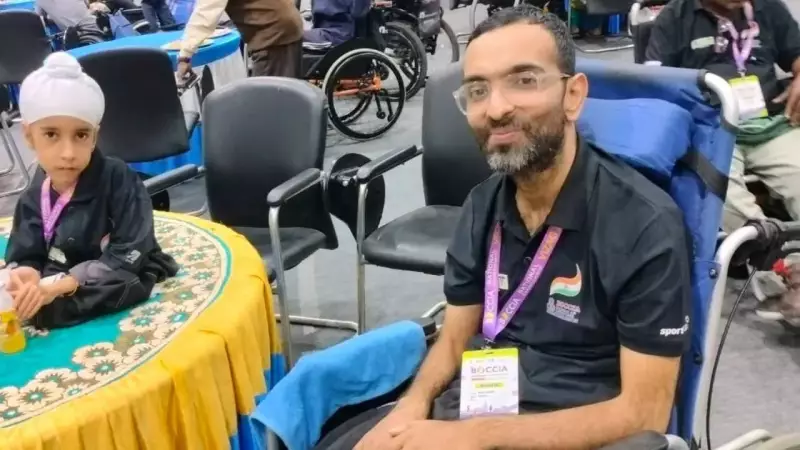
Anuj Arora was merely 26 years old when his life took an unexpected and profound turn. At an age typically associated with boundless opportunities and bright futures, he began encountering persistent and recurring movement difficulties. What initially appeared as a temporary setback gradually evolved into an inescapable reality that demanded attention.
The Devastating Impact of Multiple Sclerosis
When Anuj finally sought medical consultation, the diagnosis struck with life-altering force: multiple sclerosis. This progressive nervous system disorder gradually deteriorates over time, severely affecting movement, coordination, and essential bodily functions. Medical science has yet to discover a cure for this challenging condition.
The diagnosis delivered a crushing blow to Anuj, shattering the carefully constructed life plans he had envisioned for himself. He found himself inhabiting a body that no longer functioned as it once did. The loss of control over his limbs and basic physiological processes proved equally overwhelming as the uncertainty about what the future might hold.
Extraordinary Emotional Clarity and Acceptance
Remarkably, Anuj refuses to let despair define his identity. He discusses his condition with a calm, measured, and almost philosophical grace that commands attention. Listening to him compels reflection. For someone navigating such substantial physical limitations, his emotional clarity and acceptance appear truly extraordinary.
This raises crucial societal questions: What are we doing for talented individuals like Anuj? Are we allowing them to languish in isolation while the rest of society moves freely, works productively, and leads conventional lives?
Corporate Support and Personal Dependence
"My company has demonstrated tremendous support," Anuj reveals. "Even during periods when my contributions have been limited, they've remained steadfastly by my side." Having dedicated nearly a decade to the organization while keeping them informed throughout his health journey, Anuj acknowledges that this corporate backing provided crucial stability during profoundly uncertain times.
Nevertheless, the physical world remains inadequately designed for people with disabilities. "It feels hostile and challenging to navigate," Anuj admits candidly. "I require assistance at virtually every step. Without my father and loved ones, I cannot envision managing life independently." His words convey raw honesty without self-pity—simply reflecting his lived reality.
Technological Bridges to Independence
Technology has provided Anuj with a modest yet significant pathway toward regained independence. Through a wearable device called Mouseware, specifically engineered for individuals unable to use their upper limbs, Anuj can now operate a laptop computer. This innovation enables him to maintain connections, engage with the world, and reclaim a sense of purpose.
"Previously, I would awaken and immediately check my phone, responding to emails," he reminisces. "Now, thanks to this device, I dedicate substantial time to my laptop. It helps me feel connected and engaged."
Daily Challenges and Emotional Equilibrium
A typical day still necessitates assistance with rising from bed and managing routine chores. Emotionally, however, Anuj reports having achieved peace with his condition. "I experience moments of darkness and moments of light," he states simply.
What renders Anuj truly remarkable extends beyond mere resilience to encompass profound acceptance. His composure, self-awareness, and dignified articulation of challenges reveal a deeply evolved individual. His journey underscores a broader truth that India must confront more honestly: people living with disabilities cannot thrive in isolation.
India's Disability Inclusion Imperative
Existing conveniences frequently prove inadequate, and while inclusivity receives regular discussion, it demands far deeper contemplation, sensitivity, and actionable implementation than currently offered. Anuj's narrative transcends illness—it embodies grit, quiet determination, and the strength required to persevere forward even when the body resists and the world presents obstacles.
His story serves as both inspiration and urgent call to action for creating more accessible, supportive environments for all individuals navigating disability challenges in contemporary India.