

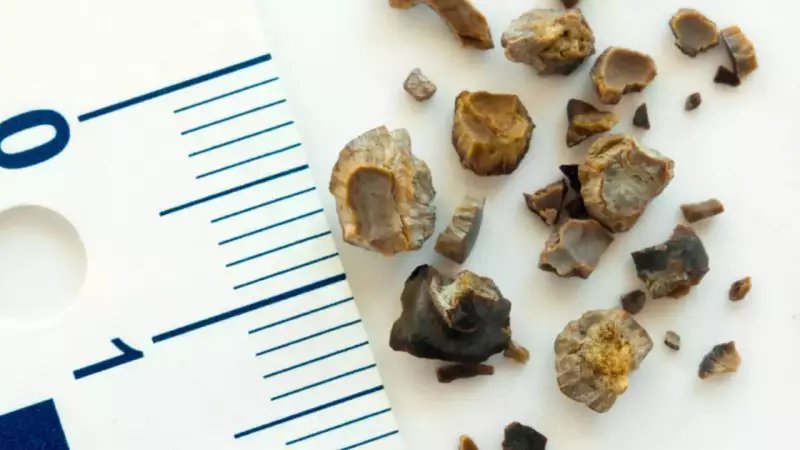
Kidney stones are a surprisingly common and excruciatingly painful health issue. These hard mineral deposits form inside the kidneys and can cause severe pain, urinary issues, and sometimes require surgical intervention. The good news is that simple, everyday dietary choices can significantly reduce your risk of developing them.
Expert Advice from AIIMS Delhi
Dr. Priyanka Sehrawat, a neurologist and general physician at the prestigious All India Institute of Medical Sciences (AIIMS) in Delhi, has shared straightforward, evidence-based dietary strategies to help people avoid kidney stones. Posting on Instagram as @docpriyankasehrawat, her tips focus on practical changes anyone can incorporate into their daily routine.
Tip 1: Reduce Salt and Boost Citrate Intake
Cutting down on sodium is one of the most effective steps you can take. High salt consumption forces the kidneys to excrete more calcium into the urine, which is a primary driver for stone formation. Dr. Sehrawat recommends limiting daily salt intake to less than one teaspoon, or approximately 5 grams.

Simultaneously, increase your consumption of citrate-rich foods. Citrate is a natural inhibitor of stone formation. Citrus fruits like lemons, oranges, mosambi (sweet lime), and kiwi are excellent sources. The citrate binds with calcium in the urine, preventing it from crystallizing. A simple habit like adding fresh lemon juice to your water can provide a beneficial dose.
Tip 2: Manage High-Oxalate Foods Smartly
Many nutritious foods contain oxalates, which can combine with calcium to form calcium oxalate stones—the most common type. Foods like spinach, beetroot, sweet potatoes, and certain nuts are high in oxalate. Dr. Sehrawat advises moderation rather than complete elimination.
A key strategy is to pair high-oxalate foods with calcium-rich sources like yogurt or milk during a meal. This allows the oxalate and calcium to bind together in the gut itself, preventing them from reaching the kidneys in a form that can create stones. It is also crucial to avoid sugary drinks and heavily processed foods, as they can dehydrate the body and disrupt metabolism, increasing risk.
Tip 3: Prioritize Hydration Above All
This is the simplest yet most powerful tool for prevention. Dr. Sehrawat emphasizes drinking at least 2.5 liters (about 10-12 glasses) of fluids every day. This amount should be increased during hot weather or if you are sweating heavily from exercise.
Staying well-hydrated dilutes the minerals in your urine, preventing them from concentrating and sticking together to form stones. While plain water is ideal, other fluids like lemon water or coconut water can contribute to your daily goal and offer additional benefits like natural citrate.
By integrating these three dietary principles—managing salt, being mindful of oxalates, and drinking ample water—you can take proactive control of your kidney health. These lifestyle adjustments, endorsed by an AIIMS specialist, offer a practical and scientific shield against the formation of painful kidney stones.






