Often overlooked until it causes trouble, the gall bladder is a small, pear-shaped organ tucked beneath the liver. Its primary role is to store and concentrate bile, a digestive fluid produced by the liver that is crucial for breaking down dietary fats. When bile flow is disrupted or its composition changes, it can lead to sluggish digestion, discomfort, and even the formation of gallstones.
The Gut-Gall Bladder Connection: Why Your Diet Matters
With growing awareness around gut health, attention is finally turning to daily dietary habits that influence bile production and release. A recent social media post by a gut health expert highlighted eight readily available foods linked to optimal gall bladder function. This underscores how routine food choices directly impact this vital yet neglected digestive organ. The focus is not on medicinal cures but on incorporating natural dietary elements that support the normal workings of the digestive system and bile circulation.
Eight Power Foods for Gall Bladder Support
The visual guide emphasises eight plant-based foods and healthy fats, each connected to a specific aspect of gall bladder health, such as bile production, flow, cholesterol balance, or liver support.

1. Apples: Valued for their high pectin content, a soluble fibre found in the fruit's flesh and skin. Pectin helps bind excess cholesterol in the digestive tract. Since cholesterol is a key component of bile, maintaining its balance is essential for smooth bile flow through the gall bladder and bile ducts. Apples can be enjoyed fresh, stewed, or baked.
2. Avocados: A rich source of beneficial monounsaturated fats. The presence of fat in a meal signals the gall bladder to contract and release bile into the intestines. This process not only aids in fat digestion but also supports the absorption of fat-soluble vitamins. Avocados are typically eaten raw or mashed.
3. Leafy Greens: Vegetables like spinach, kale, and Swiss chard are highlighted for their magnesium content. Magnesium supports muscle function throughout the body, including the smooth muscles responsible for gall bladder contraction. This promotes normal gall bladder movement and overall digestive regulation.
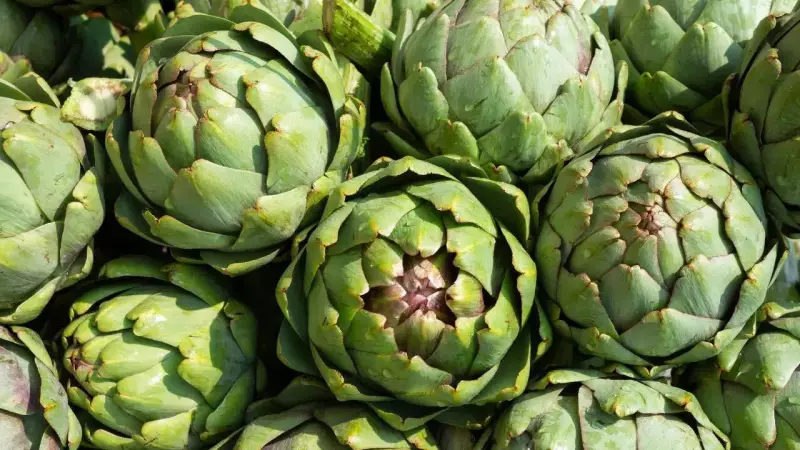
4. Artichokes: Traditionally linked to digestive health due to their bitter compounds, which are known to stimulate digestive secretions. Artichokes complement bile secretion and can contribute to digestive comfort after meals. They are usually consumed cooked.
5. Olive Oil: Featured as a key promoter of smooth bile flow and gallstone prevention. As a dietary fat, it triggers bile release from the gall bladder, preventing bile from becoming overly concentrated during storage. Its monounsaturated fatty acids encourage regular bile release. It can be used both raw and in cooking.
6. Turmeric: This bright yellow spice, primarily due to its compound curcumin, is noted for aiding bile production and supporting gall bladder function. It has a long history in traditional medicine and cooking for supporting digestion and the liver-gall bladder interaction.
7. Lemon: Known for its liver-supportive properties and role in bile production. The citric acid and antioxidants in citrus fruits like lemon are associated with stimulating bile production. It is most commonly consumed as juice or zest to flavour meals and drinks.
8. Beets: Recognised for their ability to help thin bile and support liver detoxification. Bile that is too thick can flow sluggishly, making consistency a critical factor for gall bladder health. Beets provide fibre and natural pigments and can be eaten cooked, raw, or juiced.
Incorporating Supportive Foods for Long-Term Digestive Balance
The gall bladder works closely with the liver, playing a pivotal role in digestion, especially after fatty meals. Unobstructed bile flow ensures efficient fat breakdown and nutrient absorption without straining the digestive system. Incorporating the foods listed does not require a restrictive diet but rather their consistent inclusion across meals.

A diet that supports bile production and movement naturally promotes overall digestive harmony. It is crucial to view the gall bladder as part of an interconnected system, not an isolated organ. Experts recommend including a variety of fruits, vegetables, and healthy fats, spreading fat intake evenly across meals, rotating plant foods for diversity, and regularly using herbs, spices, and supportive oils to maintain balanced digestion.