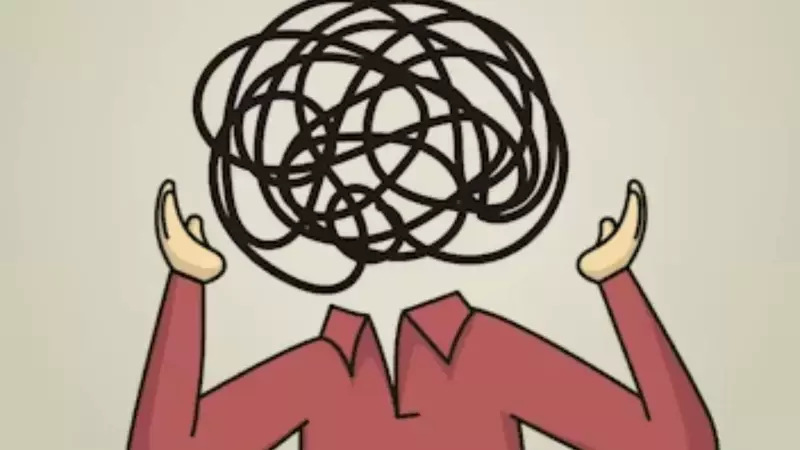
In today's fast-paced world, stress has become a common companion for many. However, its impact is not just mental or emotional; it manifests physically in ways we often ignore or misattribute. Your body has a sophisticated alarm system, and when stress levels climb, it sends out distinct physical signals. Recognising these signs is the crucial first step toward managing your well-being and preventing long-term health consequences.
Your Body's Distress Signals: Key Physical Symptoms
Chronic stress triggers the body's 'fight or flight' response, releasing hormones like cortisol and adrenaline. While useful in short bursts, prolonged exposure wreaks havoc on various systems. One of the most common yet overlooked signs is persistent muscle tension and pain, particularly in the neck, shoulders, and back. This isn't just about poor posture; it's your body physically bracing under perceived pressure.
Similarly, digestive troubles such as stomach aches, bloating, or irregular bowel movements are direct indicators. The gut is highly sensitive to emotional and psychological stress, often called the 'second brain.' Furthermore, many people experience persistent headaches or migraines when under constant strain, as stress causes blood vessels to constrict and muscles to tighten.
From Sleep to Skin: The Widespread Impact of Stress
The effects of high stress extend to fundamental bodily functions. Disrupted sleep patterns—whether it's difficulty falling asleep, staying asleep, or experiencing unrestful sleep—are a classic red flag. Your mind remains in a state of high alert, preventing the deep rest your body needs to repair itself.
Your skin also acts as a mirror to internal turmoil. Conditions like acne, eczema flare-ups, or unexplained rashes can worsen or appear due to stress-induced inflammation. Another critical signal is a weakened immune system, leading to frequent colds, infections, or a general feeling of being run down. When your body's resources are diverted to manage stress, its ability to fight off pathogens diminishes significantly.
Taking Action: Recognising and Responding to Stress
Beyond these, other subtle signs include jaw clenching or teeth grinding (often during sleep), noticeable changes in appetite, and a racing heart or palpitations without physical exertion. It's vital to understand that these symptoms are your body's plea for attention.
Ignoring these physical manifestations can lead to more severe chronic conditions like hypertension, heart disease, and anxiety disorders. The key takeaway is to listen to your body. When you notice a cluster of these symptoms, it's a clear indicator that your stress levels are too high. Proactive management through mindfulness, regular physical activity, adequate sleep, and seeking professional support when needed is not a luxury but a necessity for long-term health.
By learning to decode these physical messages, you empower yourself to intervene early. Managing stress effectively transforms not just your mental state but allows your entire body to function in harmony, paving the way for a healthier, more balanced life.