

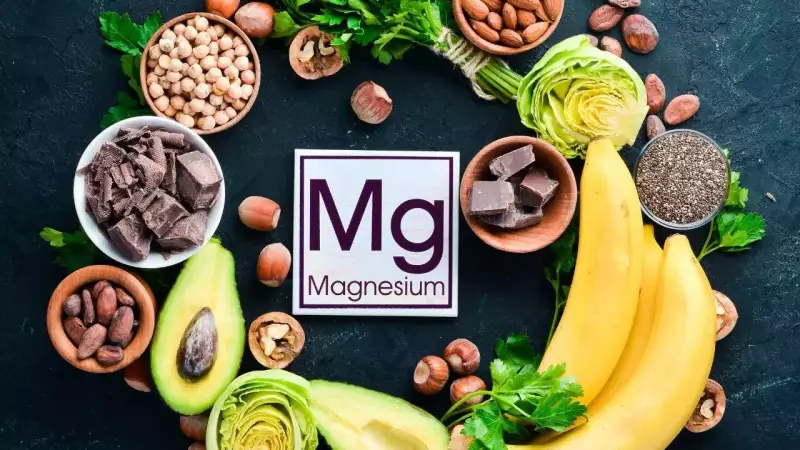
In today's fast-paced world, many Indians struggle with sleepless nights and persistent anxiety, unaware that a simple mineral deficiency might be the culprit. Magnesium, a powerhouse nutrient involved in more than 300 biochemical reactions within our bodies, plays a crucial role in muscle relaxation, nerve function, and managing stress hormones.
The Magnesium Deficiency Crisis
Recent scientific investigations have revealed a troubling connection between inadequate magnesium levels and poor sleep quality combined with emotional instability. Global studies confirm that most adults consume less magnesium than recommended, primarily due to our growing dependence on processed and refined foods that strip away this vital mineral.
The consequences are significant - insufficient magnesium intake contributes directly to insomnia, anxiety disorders, and chronic fatigue. The solution lies in returning to whole, nutrient-dense foods that naturally provide this essential mineral, supporting restorative sleep cycles and building stress resilience.

Top 7 Magnesium-Rich Foods for Better Sleep
1. Whole Grains: The Sleep Superstars
Whole grains including brown rice, oats, barley, and whole wheat rank among nature's richest magnesium sources. Research published in Heliyon highlights that the germ and bran layers of grains, which contain most magnesium, are typically removed during modern refining processes.
A single serving of cooked whole grains delivers 60-120 milligrams of magnesium, depending on the variety. Beyond magnesium content, the complex carbohydrates in whole grains ensure gradual glucose release, preventing nighttime blood sugar crashes that disrupt sleep. Fermented options like sourdough bread enhance magnesium absorption by reducing phytate content that normally limits mineral bioavailability.
2. Legumes and Pulses: Double-Duty Nutrients
Lentils, chickpeas, black beans, and soybeans provide substantial magnesium while delivering plant-based proteins that support metabolic balance. The Heliyon study identifies legumes as intermediate to high magnesium sources, with soybeans and black beans being particularly nutrient-dense.
Magnesium from these foods activates GABA receptors in the brain, promoting relaxation and reducing neural excitability that directly influences sleep onset and quality. Although legumes contain natural compounds that can inhibit magnesium absorption, preparation methods like soaking, sprouting, or fermenting effectively neutralize these anti-nutrients.
3. Leafy Green Vegetables: The Green Solution
Dark green vegetables such as spinach, kale, and broccoli boast impressive magnesium content since the chlorophyll molecule contains magnesium at its core. These vegetables contribute to smooth muscle relaxation and parasympathetic nervous system regulation.
Studies comparing magnesium absorption found kale offers higher efficiency despite spinach containing more magnesium overall, due to kale's lower oxalate concentration. Steaming rather than boiling preserves mineral content, while combining with vitamin C sources like lemon enhances mineral uptake. Eating these greens during evening meals may promote pre-bedtime relaxation through their gentle influence on nervous system equilibrium.
4. Nuts and Seeds: Concentrated Powerhouses
Nuts and seeds represent some of the most concentrated dietary magnesium sources available. Almonds, cashews, pumpkin seeds, and flaxseeds provide between 150 and 400 milligrams per 100 grams, depending on variety.
Regular nut consumption links to improved sleep quality and reduced stress-induced inflammation. The magnesium derived from nuts and seeds helps reduce cortisol secretion, balance neurotransmitter activity, and promote muscle relaxation. Light roasting enhances digestibility without significant nutrient loss, making a handful of seeds or nuts daily an excellent strategy for sustained magnesium intake.
5. Animal Proteins: Unexpected Contributors
While plant-based foods contain higher magnesium concentrations, animal-derived foods remain significant contributors due to their high consumption rates. Research indicates that poultry and pork account for over 13% of dietary magnesium in European populations.

Seafood, particularly molluscs and crustaceans, contains remarkable concentrations, sometimes exceeding 2,000 milligrams per kilogram, though their contribution is limited by lower consumption levels. Magnesium from animal sources demonstrates high bioavailability, meaning it's efficiently absorbed and utilized by the body to regulate melatonin secretion and maintain circadian rhythm.
6. Dairy Products: The Absorption Advantage
Milk, yoghurt, and certain cheeses supply magnesium in modest amounts but play a crucial role due to the mineral's exceptional absorption rate in these foods. Studies indicate that lactose facilitates magnesium absorption by preventing insoluble mineral complexes from forming in the intestine.
Cow's milk contains approximately 110 milligrams of magnesium per liter, with nearly all present in soluble, readily usable form. Yoghurt and milk show better magnesium bioavailability than cheese due to their higher lactose content. Consuming dairy products in the evening provides additional benefits since the amino acid tryptophan in milk assists melatonin synthesis, complementing magnesium's relaxation effects.
7. Fruits: The Sweet Solution
Bananas, avocados, and berries offer meaningful contributions to daily magnesium intake. Bananas particularly shine by combining magnesium with potassium and vitamin B6 - a powerful trio that supports muscle relaxation and converts tryptophan into serotonin and melatonin.
These fruits make excellent evening snacks for individuals seeking to improve sleep onset and reduce stress-induced restlessness. While fruits contain lower magnesium levels than grains or nuts, their natural sugars and fiber help maintain stable blood glucose, preventing energy fluctuations that interfere with sleep cycles.
The Path Forward
Integrating these magnesium-rich foods into your daily diet represents a natural, effective approach to improving sleep quality and managing anxiety. The key lies in consistent consumption and proper food preparation to maximize magnesium absorption and bioavailability.
By shifting away from processed foods and embracing these whole food options, you can address magnesium deficiency at its root, potentially transforming your sleep patterns and emotional wellbeing without pharmaceutical intervention.
Disclaimer: This article serves informational purposes only and should not replace medical advice. Please consult healthcare professionals before making significant dietary changes, medication adjustments, or lifestyle modifications.





