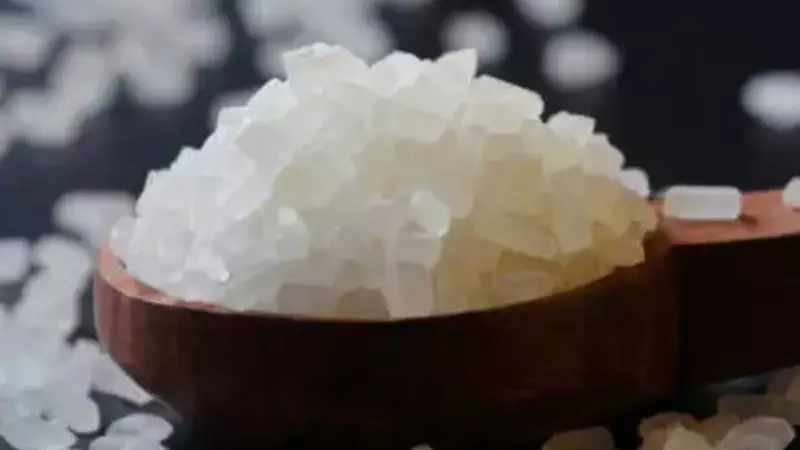
For many health-conscious individuals in India, reducing refined sugar intake is a top priority. While sugar adds sweetness, its excessive consumption is linked to weight gain, diabetes, and other metabolic issues. The good news is that nature offers a variety of healthier alternatives that can satisfy your sweet tooth without the negative health impacts. These substitutes not only provide sweetness but often come packed with additional nutrients.
Traditional Indian Sweeteners: Time-Tested Alternatives
Indian kitchens have long relied on natural sweeteners that are integral to both cuisine and Ayurveda. Jaggery, or 'gur', is one of the most popular substitutes. Made from concentrated sugarcane juice or date palm sap, it is unrefined and retains minerals like iron and magnesium. It is often used in traditional desserts, teas, and even savoury dishes for a deep, caramel-like flavour.
Another excellent option is date sugar or date paste. Made from dried, powdered dates, this substitute is rich in fibre, potassium, and antioxidants. It blends wonderfully into smoothies, baked goods, and energy bars, offering a nutrient-dense way to sweeten your food. Similarly, pure honey is a potent natural sweetener with antimicrobial properties. However, it's crucial to choose raw, unprocessed honey and remember that it should not be heated to high temperatures to preserve its benefits.
Modern Low-Calorie and Diabetic-Friendly Choices
Beyond traditional options, several modern alternatives are gaining popularity for their minimal impact on blood sugar levels. Stevia is a plant-derived sweetener that contains zero calories and does not raise blood glucose. Available in liquid drops or powder form, it is an ideal choice for people with diabetes or those on weight management plans. Its intense sweetness means only a tiny amount is needed.
Maple syrup, though not native to India, is a natural sweetener harvested from maple trees. It contains antioxidants and minerals like zinc and manganese. While it does have calories and sugars, its glycemic index is lower than that of regular sugar, making it a better option in moderation. Another fruit-based alternative is mashed bananas or applesauce. These add natural sweetness, moisture, and fibre to baked goods like muffins and cakes, reducing the need for added sugar.
How to Integrate These Substitutes Into Your Diet
Switching to healthier sweeteners requires some adjustment. Start by gradually replacing refined sugar in your tea, coffee, or morning oatmeal with jaggery powder or a few drops of stevia. In baking, you can often substitute sugar with date paste or mashed bananas, though recipe ratios may need tweaking as these alternatives add moisture. Remember, the key is moderation. Even natural sweeteners contain sugars and calories, and their overconsumption can counteract their health benefits.
Choosing the right substitute depends on your health goals. For weight loss, zero-calorie options like stevia are excellent. For added nutritional value, jaggery and dates are superior. For diabetic management, it is essential to consult with a healthcare provider, but options like stevia and monk fruit are generally considered safe. Embracing these healthy sugar substitutes is a simple yet powerful step towards a more mindful and wholesome lifestyle, allowing you to enjoy sweetness without compromise.