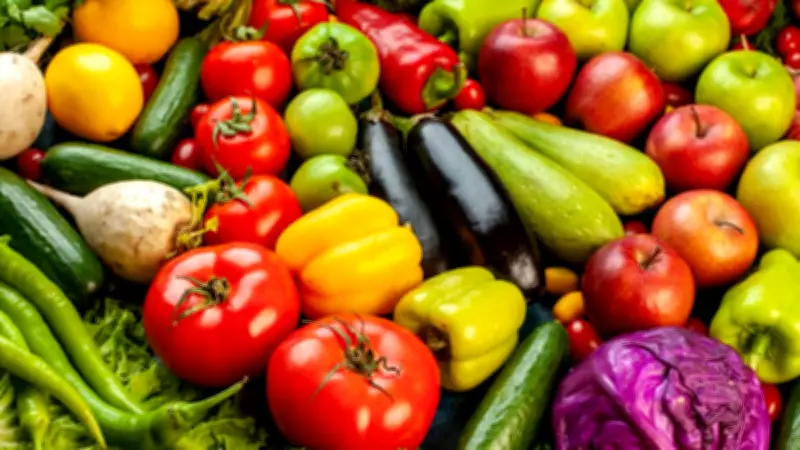
Health Experts Warn Against Consuming These Vegetables Raw
While raw vegetables are often celebrated for their nutritional benefits and crisp textures, health experts are issuing a crucial warning about specific types that should never be consumed without proper cooking. Consuming certain vegetables in their raw state can lead to significant health hazards, ranging from mild digestive discomfort to severe toxicity. This advisory highlights five common vegetables that pose risks when eaten uncooked, emphasizing the importance of food safety in everyday diets.
1. Capsicum (Bell Peppers)
Capsicum, commonly known as bell peppers, is a staple in salads and crudité platters. However, eating them raw can be problematic for some individuals. Raw capsicum contains compounds that may be difficult to digest, potentially causing bloating, gas, and stomach cramps. Cooking capsicum helps break down these compounds, making it easier on the digestive system and enhancing nutrient absorption. For those with sensitive stomachs, it is advisable to lightly sauté or roast capsicum before consumption to avoid discomfort.
2. Broccoli
Broccoli is renowned for its high vitamin and fiber content, but consuming it raw can lead to side effects. Raw broccoli contains goitrogens, substances that can interfere with thyroid function by inhibiting iodine uptake. While this is generally not a concern for most people in moderate amounts, individuals with thyroid issues should exercise caution. Additionally, raw broccoli may cause gas and bloating due to its high fiber content. Steaming or boiling broccoli can reduce these effects while preserving its nutritional value.

3. Colocasia Leaves (Arbi Ke Patte)
Colocasia leaves, often referred to as arbi ke patte in Indian cuisine, are particularly dangerous when eaten raw. These leaves contain calcium oxalate crystals, which can cause intense irritation and swelling in the mouth, throat, and digestive tract. In severe cases, ingestion of raw colocasia leaves can lead to poisoning symptoms such as nausea, vomiting, and difficulty swallowing. It is essential to cook these leaves thoroughly to neutralize the oxalates and ensure they are safe for consumption, as traditional recipes often involve boiling or steaming.
4. Potatoes
Potatoes are a dietary staple worldwide, but they should never be consumed raw. Raw potatoes contain solanine, a natural toxin that can cause symptoms like headache, nausea, and diarrhea if ingested in large quantities. The green parts of potatoes, which indicate higher solanine levels, are especially hazardous. Cooking potatoes at high temperatures breaks down solanine, rendering them safe to eat. Always store potatoes in a cool, dark place and avoid eating any that have turned green or sprouted.
5. Eggplant (Brinjal)
Eggplant, or brinjal, is another vegetable that poses risks when eaten raw. It contains solanine, similar to potatoes, which can lead to gastrointestinal issues and other toxic effects. Additionally, raw eggplant has a bitter taste and tough texture that is unappealing to most palates. Cooking eggplant not only eliminates the solanine but also softens its texture and enhances its flavor, making it a delicious and safe addition to meals. Grilling, roasting, or sautéing are popular methods to prepare eggplant properly.
General Safety Tips for Vegetable Consumption
To minimize health risks associated with raw vegetables, consider the following guidelines:
- Wash Thoroughly: Always rinse vegetables under running water to remove dirt, pesticides, and bacteria.
- Cook When Necessary: Research which vegetables require cooking to neutralize toxins or improve digestibility.
- Monitor Portions: Even with safe vegetables, excessive raw consumption can lead to digestive issues; balance with cooked varieties.
- Consult Experts: If you have specific health conditions, seek advice from a nutritionist or healthcare provider.
By understanding the potential dangers of eating certain vegetables raw, individuals can make informed dietary choices that promote health and well-being. Always prioritize food safety to enjoy the benefits of a vegetable-rich diet without unnecessary risks.