

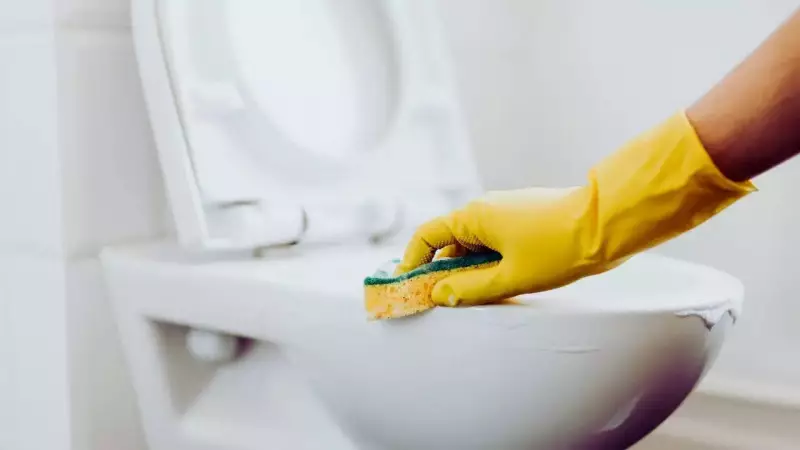
Maintaining a clean and hygienic washroom is one of the most effective and straightforward strategies to safeguard your family's health. A well-kept bathroom not only promotes wellness but also enhances daily comfort. According to Ashima Sharma, Research & Development Lead at Pee Safe, consistent personal habits, smart cleaning schedules, and the intelligent use of hygiene products such as toilet seat sanitizers and disposable covers are fundamental. Neglecting these practices can lead to serious health repercussions, including urinary tract infections (UTIs) and the spread of harmful germs.
Personal Hygiene Habits That Make a Difference
Thorough handwashing remains the primary defense against germs. It is crucial to wash hands with soap and water for a minimum of 20 seconds after using the bathroom, ensuring to clean between fingers, under nails, and around thumbs. This basic practice prevents everyday infections and stops germs from contaminating other surfaces in your home.
Drying hands properly is equally important. Wet hands attract and spread bacteria more easily due to moisture. Experts recommend using paper towels or a personal hand towel that is washed frequently. Shared or common towels should be avoided as they retain moisture and can become breeding grounds for bacteria if not cleaned regularly.

A critical yet often overlooked habit is to shut the toilet lid before flushing. Flushing with the lid open creates a 'toilet plume'—a spray of microscopic droplets that can travel several feet and settle on nearby items like toothbrushes, towels, and soap. Keeping the lid down significantly reduces this spread. For added protection, a toilet seat sanitizer can be used to disinfect high-touch areas like faucets, flush handles, and doorknobs.
For personal hygiene, especially for women, wiping from front to back is vital. This simple technique is key in preventing UTIs as it stops bacteria from moving toward the urinary tract.
Managing waste correctly is also essential. A small, covered bin should be kept in the washroom for used tissues, wipes, and feminine hygiene products. Flushing these items can block pipes and contaminate the toilet bowl, while a covered bin helps maintain cleanliness and control odors.
Smart Solutions for Travel and Guests
When thorough cleaning isn't immediately possible, such as when traveling or hosting guests, certain products offer quick protection. Toilet seat sanitizers provide immediate germ-killing action on the seat; simply spray and wait about 10 seconds before use. This is particularly helpful in multi-member households or when a family member is recovering from an infection.
Disposable toilet seat covers are another handy tool. They create a protective barrier between the user and the seat, reducing the risk of cross-infection. These are especially valuable for families with elderly members, young children, or individuals with compromised immunity, and are a travel essential.
Effective Cleaning and Maintenance Routines
Establishing a robust cleaning schedule is non-negotiable for a hygienic washroom. A full deep clean should be conducted at least once a week. Complement this with daily wipe-downs of high-touch surfaces using a disinfectant spray or wipes for quick and efficient cleaning.
Focus your disinfecting efforts on high-touch areas that rapidly collect germs. These include doorknobs, flush handles, faucet handles, and even light switches. Regularly disinfecting these points cuts down the chain of infection transmission.
Finally, ensure all surfaces are cleaned properly. Use an all-purpose cleaner or disinfectant to wipe the sink, countertops, and the exterior of the toilet. These areas naturally collect water droplets, soap residue, and germs through daily use.
By integrating these personal habits and cleaning routines, you can transform your washroom into a fortress against germs, ensuring a healthier environment for everyone at home.






