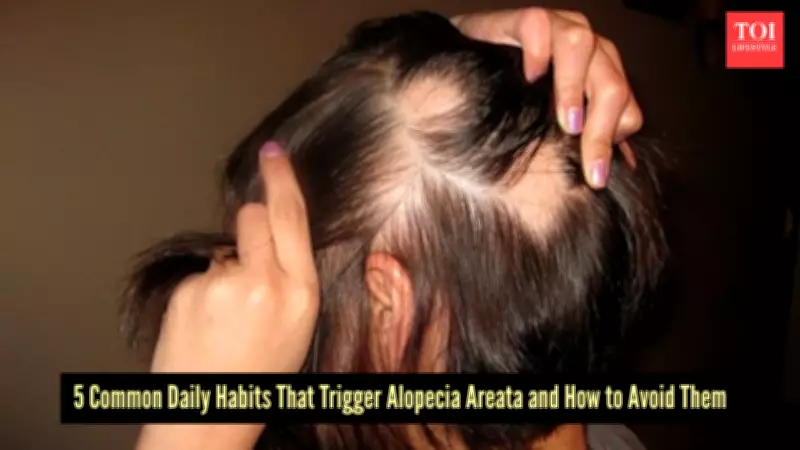
Alopecia Areata: Understanding the Autoimmune Hair Loss Condition
Alopecia areata is not merely sudden patchy hair loss; it represents a complex autoimmune disorder where the body's immune system mistakenly attacks its own hair follicles. While genetic predisposition plays a significant role, immune system dysregulation is the primary driver that can be influenced by daily lifestyle choices. Certain common habits can either exacerbate flare-ups or hinder the regrowth process, making awareness and management crucial for those affected.
1. Poor Sleep Cycle and Chronic Stress
Stress stands as one of the most prevalent triggers for alopecia areata flare-ups. When the body endures constant stress, it disrupts immune balance, accelerating hair loss. Poor sleep compounds this issue by increasing inflammation and causing hormonal imbalances. To mitigate this, incorporate stress management techniques such as yoga or meditation into your routine. Aim for 7-8 hours of quality sleep nightly and reduce screen time before bedtime to improve sleep hygiene.
2. Tight Hairstyles and Traction Alopecia
Avoid daily tight hairstyles like ponytails, braids, and buns that strain sensitive hair follicles. These styles are linked to traction alopecia, which can worsen existing alopecia areata patches. Opt for loose, low-tension hairstyles and avoid repetitive pulling in the same areas. Use soft hair ties instead of rubber elastic bands to minimize damage and support healthier hair growth.

3. Overuse of Heat Styling Tools
Cease frequent use of straighteners and curling irons, as they weaken hair shafts and irritate the scalp. For individuals with alopecia areata, constant heat application makes hair more fragile and prone to breakage. Limit heat styling to occasional use, always apply a heat protectant, and embrace natural hair textures. Air-drying is a preferable alternative to maintain hair integrity.
4. Harsh Hair Products and Chemical Treatments
Hair treatments often contain harsh ingredients like sulphates, parabens, and strong fragrances that can irritate the scalp and disrupt its natural barrier. Avoid chemical processes such as perming, rebonding, permanent straightening, or excessive coloring, which may cause intense inflammation. Switch to gentle, sulphate-free shampoos and refrain from frequent chemical treatments to protect your scalp and hair health.
5. Poor Dietary Habits and Nutrient Deficiencies
Deficiencies in iron, vitamin D, zinc, and protein are not directly linked to alopecia areata but can exacerbate its severity and slow recovery. Incorporate protein-rich foods like eggs, lentils, and nuts into your diet. Ensure adequate daily intake of iron and vitamin D through supplements or fortified foods to support overall hair health and potentially improve condition management.
Conclusion: Proactive Management for Better Outcomes
By identifying and modifying these common habits, individuals with alopecia areata can better manage their condition and potentially reduce flare-ups. Focus on holistic lifestyle changes, including stress reduction, gentle hair care, and balanced nutrition, to support immune function and promote healthier hair regrowth. Consult healthcare professionals for personalized advice and treatment options tailored to your specific needs.