

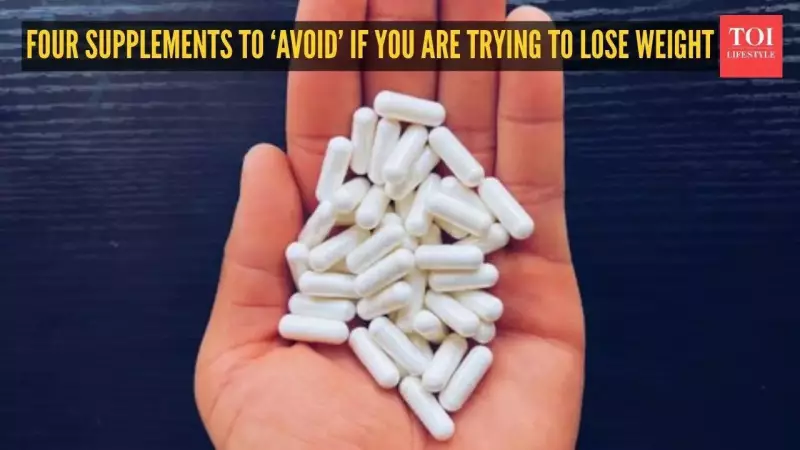
Embarking on a weight loss journey is often a complex path filled with difficult choices about diet, exercise, and the tempting world of supplements. With a market flooded by expensive and often unregulated products, making an informed decision is crucial. In a revealing conversation with EatingWell, registered dietitians have highlighted several popular weight loss supplements they advise against, shedding light on the science—or lack thereof—behind their claims.
Green Coffee Bean Extract: Limited Evidence & Potential Muscle Loss
Frequently touted online, green coffee bean extract comes from the unroasted seeds of the coffee plant. Danielle Venhuizen, MS, RDN, explained that it contains chlorogenic acid, a compound believed to reduce fat absorption and boost metabolism. However, she points out that only a few human trials have examined its actual effectiveness for weight loss.
A 2020 study published in Complementary Therapies in Medicine did find that the extract could help reduce body weight and BMI. But critically, the study noted it had no significant effect on body fat percentage. This suggests any weight lost might be from water or, worryingly, muscle mass, rather than fat.

Garcinia Cambogia & Raspberry Ketone: Modest Benefits & Health Risks
Derived from a tropical fruit, Garcinia cambogia is packed with hydroxycitric acid (HCA), thought to curb fat production and appetite. "Studies seem to indicate that some of these claims might be true, but unfortunately, the benefits are modest, and the research is conflicting," Venhuizen stated. More alarmingly, several studies have linked long-term use of this supplement to liver issues, making it an ideal supplement to avoid.
Similarly, raspberry ketone, a compound from raspberries, has shown fat-blocking potential only in test-tube and animal studies. Human research is scant. Only one study exists, where the ketone was mixed with caffeine, bitter orange, and other ingredients. While the 45 participants lost weight, it's impossible to attribute this to raspberry ketone alone versus the other components or their calorie-deficient diet. Experts suggest simply eating whole raspberries for greater health benefits without the risk.
Caffeine: Effective but Better from Natural Sources
Perhaps the most common supplement, caffeine, found in coffee, tea, and chocolate, can aid weight loss by increasing thermogenesis—the body's heat production—to burn extra calories. However, a 2020 Nutrients study indicated that effective fat breakdown requires a high dose: more than 3 milligrams per kilogram of body weight. For a 150-pound person, that's about 200 mg, or two cups of coffee.
The danger with caffeine supplements, Venhuizen cautions, is that they often contain other stimulants. Therefore, getting your caffeine from a simple cup of coffee is a safer and more cost-effective strategy than purchasing specialized supplements.
The consensus from dietitians is clear: sustainable weight loss is best achieved through natural methods. Venhuizen recommends focusing on a well-curated diet rich in fibre-filled fruits, vegetables, and healthy fats, combined with consistent exercise and healthy lifestyle habits. Always consult a qualified healthcare professional before starting any new supplement or treatment regimen.






