

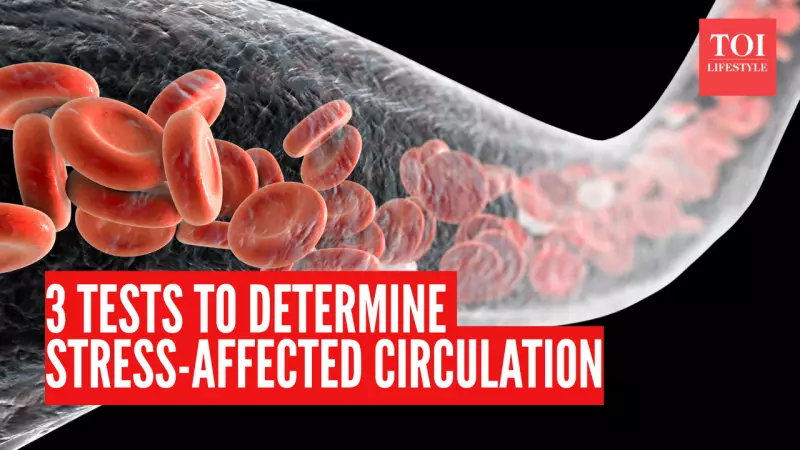
We often think of stress as a purely mental burden, but its physical toll, especially on our heart and blood vessels, can be severe and silent. Chronic, unmanaged stress doesn't just cloud your mind; it can actively damage your cardiovascular system, leading to impaired blood circulation. The good news is that you don't need complex equipment for an initial check. A renowned vascular surgeon from Vadodara has shared three simple self-tests you can do at home.
How Stress Attacks Your Heart and Blood Vessels
According to the American Physiological Association, both repeated acute stress and persistent, long-term stress have a significant negative impact on the cardiovascular system. In our demanding modern lives, constant exposure to stress hormones can lead to high blood pressure, inflammation, and damage to blood vessel linings. This disrupts the body's natural circulation, which is vital for delivering oxygen and nutrients to every cell.
Three DIY Tests to Assess Your Circulation
Dr. Sumit Kapadia, a Vadodara-based vascular surgeon, suggests these easy checks to see if stress might be affecting your blood flow. Performing them can offer early clues, prompting timely lifestyle changes or a doctor's consultation.

Test 1: The Fingernail or Capillary Refill Test
Firmly press on your fingernail for about five seconds and then release. Observe how quickly the colour returns to the pressed area. A healthy circulatory system will restore a pink colour to the nail bed in under two seconds. If the refill is noticeably slow, it could indicate poor peripheral circulation.
Test 2: The Hand Elevation Test
Raise both your hands straight above your head and hold them there for one full minute. Keep a close watch on the colour of your palms. If they turn unusually pale or you start to feel tingling or numbness, it may signal potential circulation issues or damage in the blood vessels supplying your hands.
Test 3: The Ankle Pressure Test
Use your thumb to press firmly into the skin on the front of your ankle, just above the foot, for five seconds. After you remove your thumb, look closely at the spot. If a visible dent or "pit" remains for more than a few moments, it could be a sign of fluid build-up (edema) or poor venous return, often linked to circulatory problems.
How to Repair and Improve Stress-Affected Circulation
The most critical step is to actively manage your stress levels. Integrating practices like yoga, meditation, and deep-breathing exercises can directly counteract stress hormones and promote better vascular health. Beyond stress management, adopt these supportive measures:
- Regular Physical Activity: Daily exercise, even brisk walking, strengthens the heart and improves blood vessel function.
- Leg Elevation: When resting, prop up your legs to help with venous blood return to the heart.
- Proper Hydration: Drinking adequate water ensures blood volume is optimal for smooth circulation.
These simple tests are screening tools, not a diagnosis. If you notice consistent abnormalities, it is essential to consult a healthcare professional for a proper evaluation. Taking proactive steps to manage stress can significantly benefit not just your mind, but your heart and entire circulatory system.






