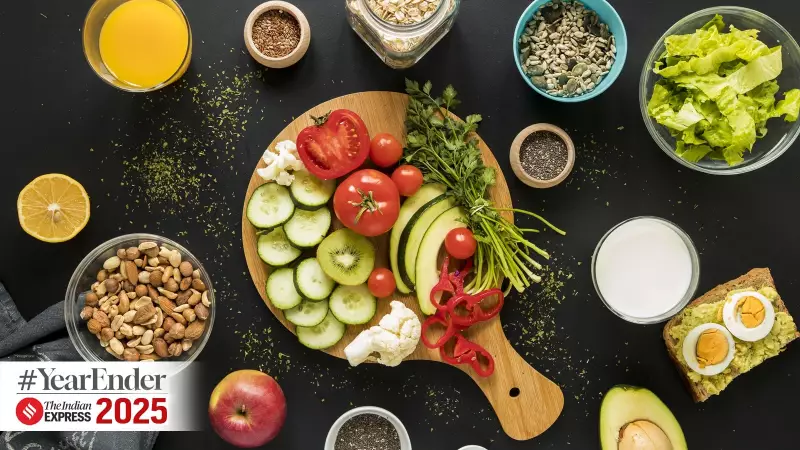
The year 2025 marked a significant evolution in how India discussed food and health. The conversation moved decisively away from mere weight loss or indulgence, transforming into a daily strategy for holistic wellbeing. People began to consciously link their meals to tangible outcomes: morning joint comfort, sustained energy levels, quality of sleep, and digestive resilience under stress. The plate was no longer a source of guilt but a tool for relief and long-term vitality.
The Rise of Gut Health as a Cultural Movement
Undoubtedly, gut health emerged as the dominant theme in nutritional discourse, transitioning from a niche wellness concept to a mainstream kitchen priority. The focus expanded beyond isolated superfoods to synergistic combinations—pairing fibre with protein, healthy fats with antioxidants, and integrating fermented foods with traditional staples. Cooking methods, meal timing, and consistency were recognised as being just as crucial as the ingredients themselves.
Nutritionists emphasised the critical role of diverse fibres and seeds in nourishing the gut microbiome. Seeds like chia, flax, and pomegranate were highlighted for their unique blend of fibre, omega-3 fatty acids, and antioxidants, essential for maintaining microbial balance and reducing inflammation. Deepalakshmi, a registered dietitian at Shree Balaji Medical Centre in Chennai, pointed out the benefits of red pigments in foods for maintaining a healthy gut, a property found abundantly in berries and other colourful fruits.
There was a notable renaissance for traditional Indian fermented foods. Items like curd (yogurt) and the batter used for idli and dosa were celebrated not just as comfort foods but as functional, probiotic-rich ingredients offering direct digestive support. Dr Raj Kumar, Senior Consultant in Non-invasive Cardiology at PSRI Hospital, reinforced that a diet rich in fruits, vegetables, and whole grains provides the necessary fibre to feed beneficial gut bacteria.
Heart Health and Anti-Inflammatory Eating Take Centre Stage
Parallel to the gut health boom, heart-smart nutrition became a central pillar of daily food choices. Experts moved the public away from simplistic labels like "low-carb" or "low-fat," advocating instead for whole, minimally processed foods. Dr CM Nagesh, General Secretary at the Indian College of Cardiology, advised consuming a diet abundant in fruits, vegetables, whole grains, lean proteins, and healthy fats from sources like nuts, seeds, and olive oil to robustly support cardiovascular health.
Anti-inflammatory eating solidified as a major practical theme, seamlessly connecting gut and heart wellness. This approach championed colourful fruits, leafy greens, seeds, and high-fibre foods—all known to lower systemic inflammation in the body. The discourse became increasingly condition-specific, offering targeted dietary strategies rather than generic advice.
From Joint Support to Food as Sustenance
The trend towards personalised nutrition saw discussions around joint-friendly diets gain prominence. These focused on anti-inflammatory nutrients, with experts like Dr Jagadish Hiremath, a public health intellectual, recommending the incorporation of omega-3-rich foods such as fatty fish or flaxseeds to alleviate joint pain and stiffness.
The most profound shift of 2025 was arguably in the philosophy behind eating. The narrative shed rigid food rules and the pursuit of dietary perfection. Instead, it gravitated towards viewing food as a form of support—a means to soothe, strengthen, and sustain the body through the challenges of modern life, chronic stress, and ageing. The goal was resilience, one thoughtful meal at a time.