

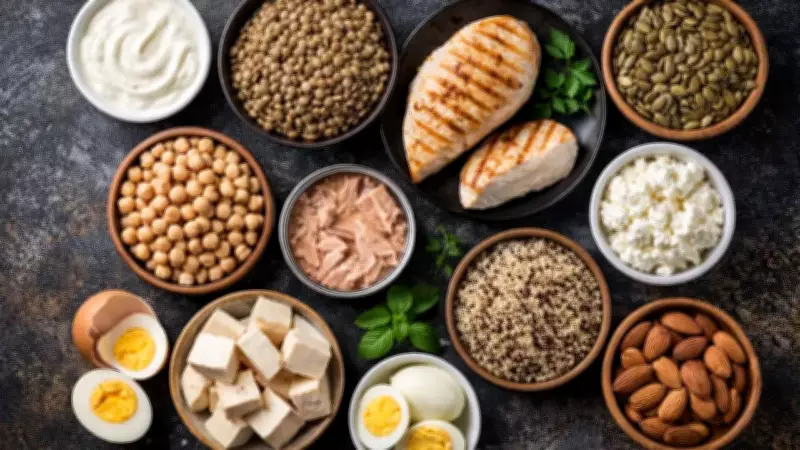
Beyond Eggs: Superior Protein Sources for Optimal Nutrition
Eggs have long been celebrated as an excellent and convenient source of protein, providing approximately 6-7 grams per egg along with all nine essential amino acids. Their affordability and versatility make them a staple in countless households worldwide. However, numerous other readily available foods contain significantly higher protein concentrations while delivering additional essential nutrients that eggs lack.
Why Diversify Your Protein Intake?
Incorporating various protein sources into your diet offers substantial benefits beyond basic nutrition. Different foods provide unique combinations of healthy fats, dietary fiber, vitamins, minerals, and antioxidants. This nutritional diversity supports muscle development, enhances satiety to control hunger, and promotes overall bodily functions. A varied protein approach ensures you receive comprehensive nourishment rather than relying on a single source.
10 Foods That Outperform Eggs in Protein Content
Based on data from the USDA FoodData Central nutrient database, these common foods contain higher protein levels per 100 grams compared to eggs:

- Greek Yogurt: With approximately 10 grams of protein per 100 grams, Greek yogurt surpasses eggs while providing probiotics that support digestive health and gut microbiome balance.
- Lentils: Cooked lentils deliver 9 grams of protein per 100 grams alongside substantial fiber, iron, and complex carbohydrates, making them ideal for vegetarian and vegan diets.
- Chicken Breast: This lean meat offers an impressive 31 grams of protein per 100 grams with minimal fat content, making it exceptionally efficient for muscle building and repair.
- Cottage Cheese: Providing 11 grams of protein per 100 grams, cottage cheese contains slow-digesting casein protein that aids in prolonged muscle recovery, particularly beneficial after exercise.
- Chickpeas: These versatile legumes supply 8-9 grams of protein per 100 grams when cooked, along with energy-sustaining fiber that makes them perfect for dishes like hummus and salads.
- Tofu: This soy-based product contains 8 grams of protein per 100 grams and represents a complete protein source with all essential amino acids, suitable for various dietary preferences.
- Tuna: Offering 29 grams of protein per 100 grams, tuna provides substantial omega-3 fatty acids that support cardiovascular health and cognitive function alongside its protein benefits.
- Quinoa: Each cooked cup contains approximately 8 grams of protein, and quinoa stands out as a complete plant-based protein containing all nine essential amino acids rarely found together in grains.
- Almonds: With about 21 grams of protein per 100 grams, almonds deliver healthy monounsaturated fats and vitamin E, providing antioxidant protection alongside protein content.
- Pumpkin Seeds: These seeds provide approximately 19 grams of protein per 100 grams while being rich in magnesium, zinc, and antioxidants that support immune function and metabolic processes.
The Importance of Protein Diversity in Modern Diets
While eggs remain a nutritious and accessible protein option, these alternatives demonstrate how easily you can incorporate higher-protein foods across multiple food groups. Combining animal and plant-based proteins creates a more balanced nutritional profile, ensuring you receive varied micronutrients alongside your protein intake. This approach not only enhances muscle development and satiety but also supports long-term health maintenance and disease prevention.
Understanding these protein-rich alternatives empowers you to make informed dietary choices that extend beyond conventional options. Whether you follow specific dietary restrictions or simply seek nutritional variety, these foods provide practical solutions for enhancing your protein consumption while gaining additional health benefits that single-source proteins cannot offer alone.






