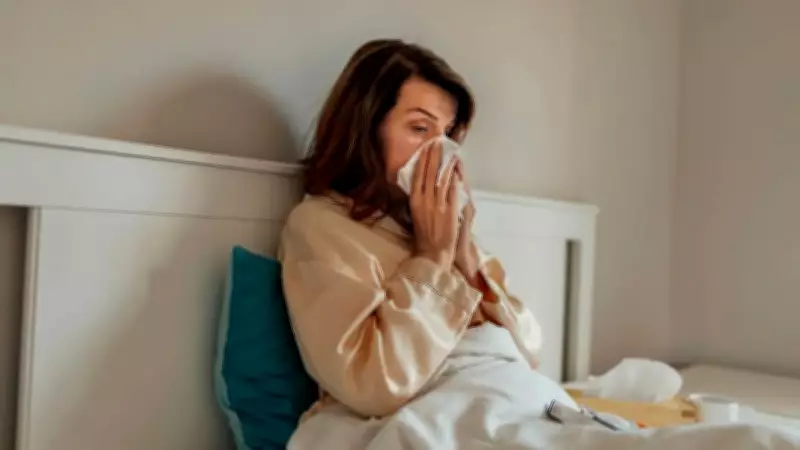
Every year, as the weather shifts, people blame cold breezes, sudden rain, heatwaves, or air pollution for repeated coughs, colds, sore throats, and fatigue. However, doctors assert that weather may not be the primary culprit. The real triggers often hide within daily routines that gradually weaken the body over time.
The Real Culprits Behind Frequent Illness
Many individuals today live in a constant cycle of rushed mornings, skipped meals, poor sleep, stress, and screen-heavy lifestyles. The body manages for a while until it finally protests through repeated illness. What appears as 'bad immunity' is often the outcome of small habits repeated daily.
Poor Sleep Undermines Immunity
Dr. Rasheeka, Consultant Pulmonologist at Apollo Hospitals, emphasizes that people often overlook the damage caused by poor-quality sleep. 'Long-standing sleep deprivation hampers the immune system and the body's defenses, leaving people prone to frequent colds, coughs, and asthma attacks. Patients who regularly get less than 6–7 hours of sound sleep are particularly vulnerable.'

The keyword, she explains, is sound sleep. Sleeping for seven hours while waking up repeatedly, snoring heavily, or scrolling late into the night does not allow the body to recover properly. Research from the US Centers for Disease Control and Prevention (CDC) shows that insufficient sleep is linked to weakened immunity, heart disease, obesity, and poor mental health. During deep sleep, the body repairs tissues and releases proteins that help fight infection. Without that reset, the immune system begins to slow down.
Many urban professionals now survive on caffeine instead of recovery. The result is a body that stays tired, inflamed, and more vulnerable to viruses. Doctors say poor sleep, unhealthy eating, dehydration, indoor lifestyles, stress, lack of movement, and self-medication are major reasons why people keep falling sick.
The 'Modern Diet' Weakens Immunity
Healthy-looking smoothie bowls and protein reels on social media may look convincing, but doctors say everyday nutrition is still deeply unbalanced. 'Skipping meals, erratic eating patterns, and a reliance on processed or outside food deprive the body of essential nutrients,' says Dr. Rasheeka.
The body needs protein, iron, zinc, vitamins, fiber, and hydration to build immune strength. However, many people rely heavily on sugary snacks, packaged food, instant meals, and excessive takeout. These foods may satisfy hunger quickly but often fail to nourish the body properly. A study published by the National Institutes of Health (NIH) highlighted how nutrition directly affects immune response and inflammation levels in the body.
What people eat also affects respiratory health more than they realize. Poor nutrition can worsen recovery from infections, increase fatigue, and even affect lung function over time. Hydration is another ignored factor. 'Inadequate fluid intake thickens respiratory secretions, making them harder to clear and increasing the risk of infection,' Dr. Rasheeka explains. Coffee, tea, and soft drinks cannot replace plain water, yet many people spend entire workdays barely drinking any.
Indoor Lifestyles Create Invisible Health Risks
People often assume staying indoors protects them from illness. In reality, indoor environments can sometimes be worse. Air-conditioned offices, poorly ventilated rooms, dust buildup, synthetic fragrances, incense smoke, and crowded spaces allow allergens and viruses to linger longer in the air. According to the World Health Organization (WHO), indoor air pollution contributes to millions of health complications globally each year.
Dr. Rasheeka notes, 'Indoor air quality can sometimes be worse than outdoor air, especially in enclosed spaces where allergens and viruses accumulate.' Many people spend nearly 90% of their day indoors now. Add little sunlight, minimal fresh air, and constant screen exposure, and the body slowly begins losing resilience. Even something as simple as opening windows regularly or stepping outside for a short walk can make a noticeable difference. Building stronger immunity often begins with simple, consistent daily habits rather than quick fixes.

The Body Cannot Handle 'Weekend Recovery Mode'
One of the most relatable yet damaging patterns today is what doctors call the 'weekday strain, weekend crash' cycle. People sleep late during weekdays, skip meals, work under stress, then suddenly oversleep or binge-eat during weekends in the name of recovery. 'The body functions best with stability, not extremes,' says Dr. Rasheeka. Irregular routines disturb the body clock, digestion, hormones, and energy cycles. This inconsistency often leads to headaches, fatigue, acidity, poor sleep, and lowered immunity.
Physical inactivity makes things worse. A brisk daily walk, stretching, sunlight exposure, or simple movement improves blood circulation and lung efficiency. Yet sedentary lifestyles have become the norm.
Stress, Self-Medication, and Ignoring Early Signs
Stress does not stay limited to the mind. It affects breathing, immunity, digestion, sleep, and even inflammation levels. 'Patients are often seen who develop persistent coughs or breathlessness during emotionally difficult periods,' Dr. Rasheeka says. Conditions like asthma and allergies often worsen during periods of anxiety or emotional strain. The body remembers stress, even when people try to ignore it.
Another growing problem is self-medication. Many people begin antibiotics or cough syrups without medical advice, stop treatment midway, and repeat the cycle during every illness. Doctors warn this can create resistant infections and delay proper diagnosis. Basic hygiene still matters too. Handwashing, covering coughs, staying home when sick, and using clean masks in crowded places remain simple but powerful habits.
Before blaming the weather, perhaps the better question is this: how has the body been treated lately? Because in most cases, the immune system is not failing overnight. It is reacting to months, or years, of neglected routines.
Medical experts consulted: This article includes expert inputs shared with TOI Health by Dr. Rasheeka, Consultant Pulmonologist at Apollo Hospitals. Inputs were used to explain how poor sleep, unhealthy eating habits, stress, dehydration, and sedentary lifestyles may be the hidden reasons behind frequent illness, and why doctors say everyday routines matter more than the weather when it comes to staying healthy.