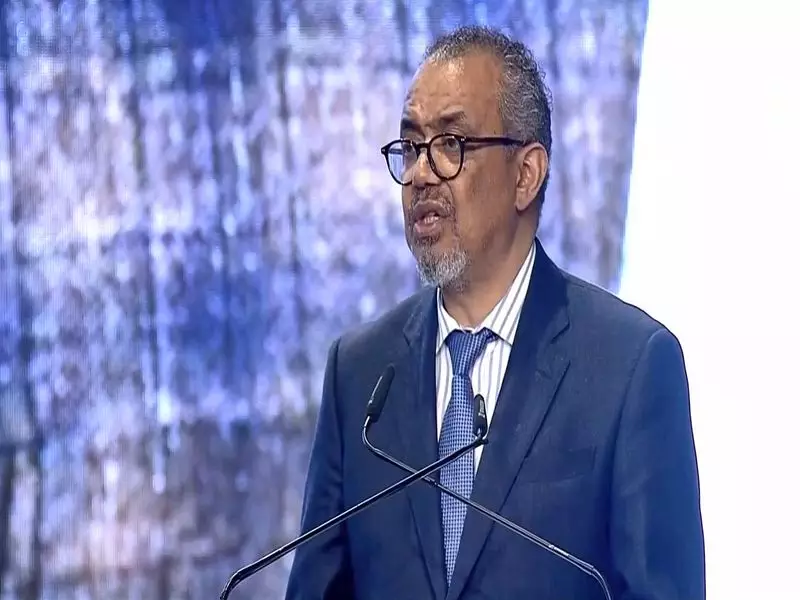
In a powerful address that linked global security directly to public health, the head of the World Health Organization (WHO) issued a stark warning about the world's spending priorities. Dr. Tedros Adhanom Ghebreyesus highlighted the alarming rise in global military expenditure while crucial health initiatives remain critically underfunded.
The Staggering Cost of Conflict Versus Health
Speaking at the World Health Summit in Berlin, Director-General Tedros presented a sobering comparison. He revealed that global military spending has skyrocketed to a record $2.2 trillion. This figure stands in shocking contrast to the financial support for global health. The WHO chief pointed out that this massive sum allocated for warfare drastically overshadows the investments needed to protect humanity from disease and poor health.
"The world is spending more money than ever on weapons, on war, on conflict," Tedros stated emphatically. His core message was clear: the path to a healthier world is not through militarization but through cooperation and peace. He framed the issue in simple, profound terms, asserting that "peace is the best medicine" for the numerous challenges facing international public health.
A Plea for Redirecting Resources to Global Health
Dr. Tedros did not merely critique the current state of affairs; he issued a direct call to action for world leaders and policymakers. He urged a fundamental shift in how nations allocate their resources, advocating for a significant increase in funding for health systems and preparedness worldwide.
The WHO's own funding struggles underscore his plea. The organization has consistently faced shortfalls in its core budget, which limits its ability to respond to emergencies and run essential programs. Tedros argued that a fraction of the money funneled into the military complex could transform global health security. This investment would strengthen defenses against future pandemics, improve maternal and child health, and combat non-communicable diseases that burden economies.
His appeal extends beyond government coffers. The WHO chief also called on the private sector and philanthropic organizations to step up their contributions. The goal is to create a robust, well-funded global health architecture that can prevent suffering and save lives on a massive scale.
The Broader Implications for Global Security
Dr. Tedros connected the dots between conflict, health, and overall stability. He noted that war and violence create the perfect conditions for disease outbreaks, shatter healthcare infrastructure, and lead to immense human suffering. The ongoing crises in Gaza, Ukraine, Sudan, and other regions were cited as tragic examples where health has become a casualty of conflict.
By championing peace, Tedros is advocating for the ultimate preventive health measure. A peaceful world, he implied, is a prerequisite for a healthy world. It allows for the uninterrupted delivery of vaccines, the functioning of hospitals, and the focus on long-term health challenges rather than just emergency trauma care.
The speech in Berlin serves as a critical reminder as nations grapple with economic pressures and geopolitical tensions. The WHO Director-General's argument posits that true security cannot be achieved through arms alone but must be built on the foundation of a healthy, resilient population. The choice, as he framed it, is between investing in destruction or investing in the well-being of all people.