

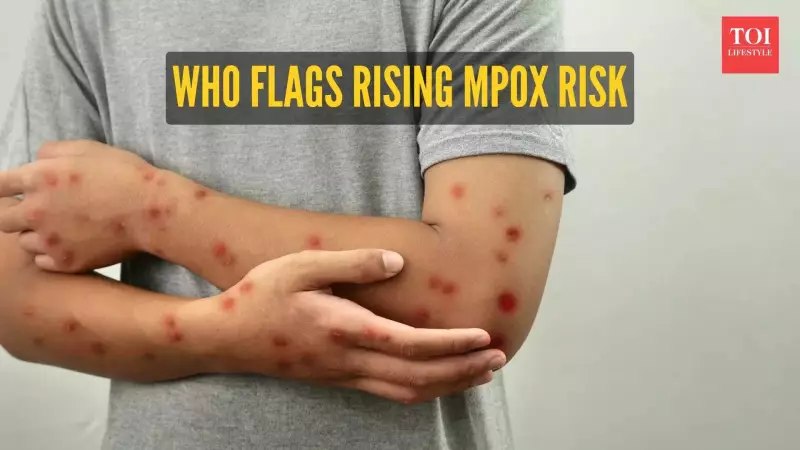
The World Health Organization has sounded the alarm about a significant surge in Clade Ib mpox cases worldwide, marking a concerning development in the global health landscape. This more virulent strain of the virus is demonstrating increased transmission capabilities, prompting health authorities to issue urgent warnings to the public and healthcare providers alike.
What Makes Clade Ib Mpox Particularly Worrisome?
Unlike previous mpox variants, the Clade Ib strain has shown enhanced ability to spread between humans and is causing more severe symptoms in affected individuals. Health experts are particularly concerned about its rapid transmission patterns and the serious health complications it can cause if left untreated.
5 Critical Symptoms That Demand Immediate Attention
Health authorities emphasize that recognizing these symptoms early could be crucial for effective treatment and preventing further spread:

- Severe Skin Lesions and Rashes: Unlike typical mpox rashes, Clade Ib causes more extensive and painful skin eruptions that often appear on the face, palms, and soles
- High Fever and Intense Body Aches: Patients experience persistent high-grade fever accompanied by debilitating muscle pain and general weakness
- Respiratory Distress: The new strain frequently causes breathing difficulties, chest pain, and persistent coughing that requires medical intervention
- Gastrointestinal Complications: Severe vomiting, diarrhea, and abdominal pain are common symptoms that can lead to dehydration
- Neurological Manifestations: Some patients report intense headaches, confusion, and in severe cases, seizures indicating potential neurological involvement
Global Response and Prevention Strategies
The WHO has activated emergency response teams and is working closely with national health authorities to contain the outbreak. Public health measures include enhanced surveillance, contact tracing, and public awareness campaigns about preventive measures.
Medical experts recommend practicing good hand hygiene, avoiding close contact with infected individuals, and seeking immediate medical care if any symptoms appear. Vaccination campaigns are being intensified in affected regions, though vaccine availability remains a challenge in some areas.
As the situation evolves, health authorities stress the importance of staying informed through official channels and avoiding misinformation that often circulates during health emergencies. The global medical community remains vigilant, monitoring the outbreak's progression and working tirelessly to develop effective countermeasures.






