Water Scarcity Forces Tribal Women in Odisha to Trek for Contaminated Stream Water
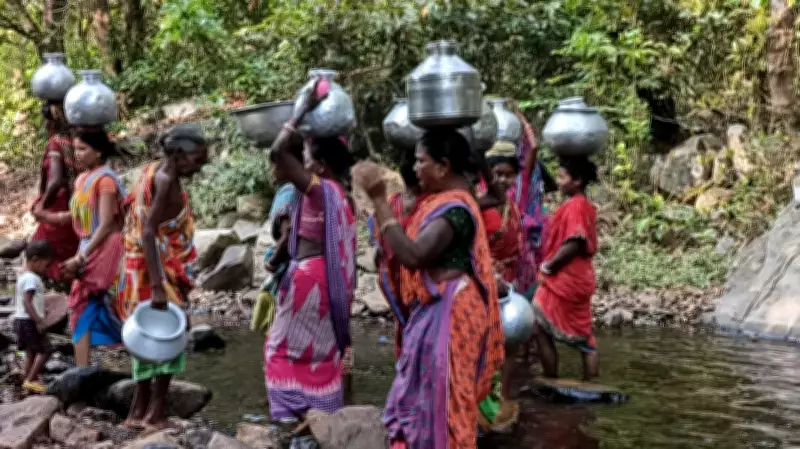
In the tribal-dominated villages surrounding the chromite mines of Jajpur district, Odisha, a severe drinking water crisis is unfolding. Every morning, 38-year-old Malati Marandi from Balipada village in Sukinda block walks over a kilometer to fetch water from a local stream. This water is the only source for her family of four, a situation shared by countless other women in the region.
Chronic Shortage and Contamination Risks
Villages including Balipada, Kumada, Ostapal, Sarubil, and Talangi are grappling with an acute shortage of safe drinking water. The Rural Water Supply and Sanitation (RWSS) department has flagged the practice of relying on stream water as highly unsafe due to contamination from mining activities. Despite government pipelines supplying water to many areas, villagers often divert this water for agricultural purposes, leaving them dependent on distant, polluted streams.
Rajani Soren, a 32-year-old resident of Talangi village, recounted how authorities sealed two tube-wells in Balipada last year after several villagers fell ill from drinking contaminated water. "Authorities promised to provide water through pipelines or tankers during summer, but they failed. Now, many of us must travel about 1.5 kilometers to the stream," she explained.

Health Hazards from Hexavalent Chromium
Dasarath Nayak, RWSS assistant executive engineer, revealed that last year, authorities sealed 11 bore tube-wells to protect residents from serious health risks. "Hexavalent chromium, a highly toxic and carcinogenic chemical from mining, is polluting water, soil, and air," Nayak emphasized. This contamination can lead to cancer, skin ulcers, and organ damage, posing a grave threat to community health.
Nayak further noted that while the government supplies water via pipelines, most villagers use it for irrigation and other agricultural needs. "Many tribal people believe stream water is beneficial for their health, despite the dangers. We are working to convince them to drink only government-supplied water," he said. Some conscious villagers boil stream water, but the majority consume it unfiltered, exacerbating health risks.
Broader Implications and Community Impact
The water crisis highlights a critical intersection of environmental degradation, public health, and tribal welfare in Odisha. The reliance on contaminated sources not only endangers lives but also underscores systemic failures in water management and infrastructure. As mining activities continue, the need for sustainable solutions and stricter enforcement of safety measures becomes increasingly urgent to safeguard these vulnerable communities.