

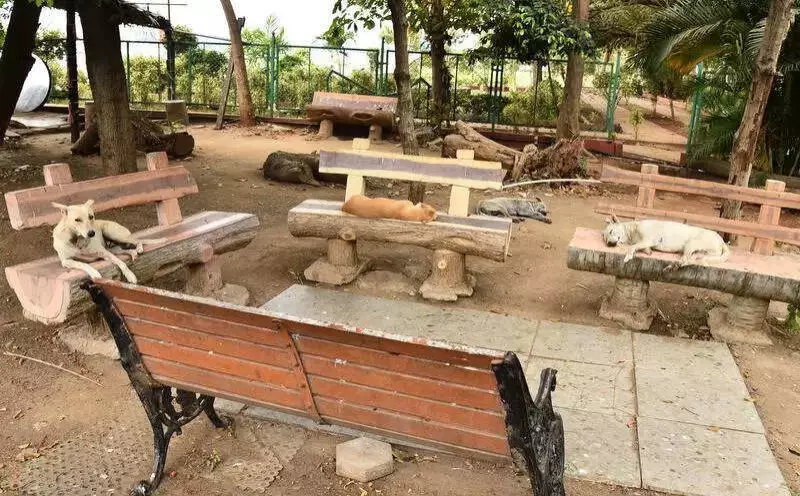
In a significant move to manage the city's stray dog population humanely, the Vijayawada Municipal Corporation (VMC) has established nearly 300 dedicated feeding zones and is now calling on animal lovers and volunteers for active cooperation to maintain them.
A Systematic, Ward-Level Approach
The civic body set up around 286 feeding zones across Vijayawada. This initiative follows a directive from the Supreme Court of India. Dr Arjuna Rao, the VMC's Chief Medical and Health Officer, explained that the corporation adopted a decentralised model for this project.
Under this system, one specific feeding zone was identified and officially notified for each ward secretariat area in the city. This structured approach aims to provide equitable access to food for stray dogs while discouraging random, ad hoc feeding on public roads and footpaths, which often leads to litter and public inconvenience.

Mapping Volunteers for Accountability
To ensure the program's success and sustainability, the VMC is now formally mapping animal lovers and volunteers to specific feeding zones. Dr Rao stated that this step is crucial to establish clear accountability, guarantee regular maintenance of the sites, and smooth coordination with municipal sanitation staff.
The assigned caregivers are expected to follow basic guidelines set by the corporation. These norms include providing food at the designated times, keeping the feeding site clean and hygienic, and ensuring that the activity does not cause any disturbance or inconvenience to local residents and daily commuters.
Towards a Humane and Transparent System
Dr Rao emphasised that the VMC is committed to working hand-in-hand with animal welfare organisations and compassionate citizens. The goal is to build a transparent, effective, and compassionate system for managing stray dog feeding facilities throughout Vijayawada.
This collaborative model seeks to balance animal welfare concerns with public health and civic cleanliness, creating a more harmonious environment for both people and animals in the urban landscape.






