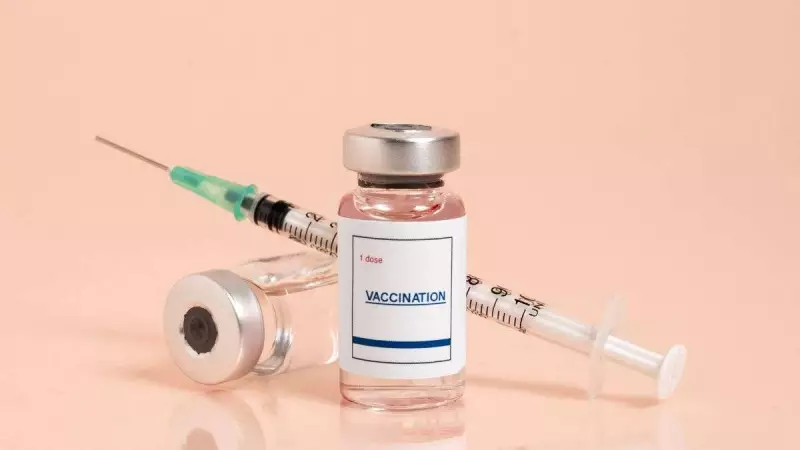
In a significant move that has captured global attention, the United States Centers for Disease Control and Prevention (CDC) has officially revised its childhood immunization schedule. The updated guidelines, released on January 7, 2026, recommend fewer vaccines for American children compared to previous years.
What Changed in the US Vaccine Guidelines?
The CDC's Advisory Committee on Immunization Practices (ACIP) approved the streamlined schedule after extensive review. The primary change involves the removal of the recommendation for the annual influenza (flu) vaccine for all children. Instead, the flu shot is now advised only for children with specific underlying health conditions that put them at high risk for severe complications.
Furthermore, the schedule for the Human Papillomavirus (HPV) vaccine has been modified. The previous recommendation for a two-dose series for adolescents starting at age 11 or 12 has been adjusted. The new guidelines suggest the HPV vaccine may be considered on a more individual basis, factoring in personal and family medical history, rather than as a universal mandate.
These revisions mark the first major reduction in the recommended childhood vaccine schedule in decades. The CDC and ACIP emphasized that the decisions were data-driven, based on evolving epidemiological patterns and long-term vaccine surveillance studies.
The Driving Forces Behind the Decision
Several key factors led to this pivotal shift in public health policy. A primary reason cited is the changing landscape of certain diseases. For instance, recent data indicated consistently low severity and hospitalization rates for seasonal influenza in otherwise healthy children, prompting a re-evaluation of universal vaccination.
Another critical element is the ongoing challenge of vaccine hesitancy. Public health officials have acknowledged that an overly complex schedule can sometimes overwhelm parents, potentially leading to delays or refusals for all vaccines, including those for critical diseases like measles and polio. The streamlined schedule aims to build trust and increase overall compliance with core immunizations.
Economic considerations and healthcare cost optimization also played a role. By focusing resources on the most crucial and high-impact vaccines, health authorities aim to ensure sustainability and equitable access within the healthcare system.
Global Implications and Public Health Response
This decision by a leading global health authority like the US CDC is likely to have ripple effects worldwide. Health ministries in other countries, including India, often review such updates when formulating their own national immunization programs.
Medical experts globally have expressed mixed reactions. Some applaud the move as a nuanced, evidence-based approach that prioritizes trust and targets resources effectively. Others express concern that it might send a confusing message and inadvertently strengthen anti-vaccination sentiments, despite being grounded in science.
The World Health Organization (WHO) has stated it will analyze the CDC's data and rationale but maintains its position on the importance of broad influenza vaccination for public health. In India, the Union Health Ministry has noted the development and clarified that India's Universal Immunization Programme (UIP) remains unchanged. Indian health officials stress that the country's epidemiological context differs and that parents should continue to follow the existing national schedule, which protects against 12 vaccine-preventable diseases.
Ultimately, the CDC's revision underscores a dynamic approach to public health, where guidelines are not static but evolve with new scientific evidence. It highlights the delicate balance between disease prevention, public trust, and resource allocation in safeguarding children's health.