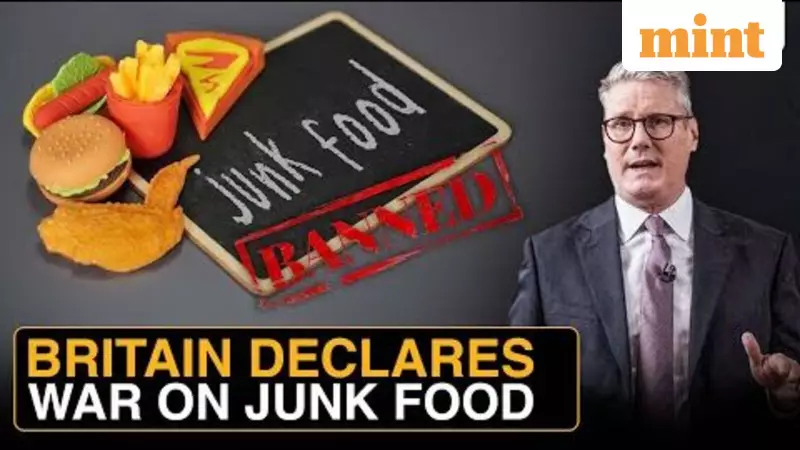
In a decisive move hailed as a world-leading step in public health, the United Kingdom has officially banned advertisements for junk food before the 9 PM watershed on television. This sweeping new regulation also enforces a total ban on paid online promotions for products high in fat, salt, and sugar, targeting a significant reduction in childhood obesity rates.
What Does the New UK Advertising Ban Entail?
The core of this policy is a strict prohibition on the promotion of foods classified as High in Fat, Salt, and Sugar (HFSS). This includes a wide range of popular items such as burgers, sugary breakfast cereals, and fizzy drinks. The ban is now active during daytime television hours, meaning these ads cannot be shown until after 9 PM. Simultaneously, the government has instituted a comprehensive ban on all paid online advertising for these same HFSS products, closing a critical digital loophole.
The government has projected substantial public health benefits from this crackdown. Officials estimate that the policy will remove a staggering 7.2 billion calories from children's diets each year. In the long run, this intervention is expected to prevent over 20,000 children from becoming obese and result in long-term savings of approximately £2 billion for the National Health Service (NHS).

The Government's Stance and Broader Strategy
UK Health Minister Ashley Dalton has framed the policy as one focused on prevention rather than punishment. The philosophy is to create a healthier environment for children by limiting their exposure to persuasive marketing for unhealthy food choices. This advertising ban is part of a larger, multi-pronged government strategy to combat obesity.
This broader fight includes the expansion of the existing sugar tax on soft drinks and new planning restrictions designed to block the opening of new fast-food outlets in close proximity to schools. The goal is to make healthy choices easier for families and young people.
Reactions and the Road Ahead
As with any major regulatory shift, the ban has sparked debate. Critics, often from the advertising and food industries, have questioned whether the government is overreaching with what they see as a "nanny state" intervention. They argue it restricts commercial freedom and could impact businesses.
However, the policy is also driving a significant pivot within the food and beverage sector. Many major brands are now accelerating their efforts to reformulate recipes, reducing sugar, salt, and fat content to meet the HFSS thresholds and thus remain eligible for advertising. This unintended consequence could lead to a wider availability of healthier product options on supermarket shelves.
The UK's bold experiment is being closely watched by public health advocates and governments worldwide, including in India, where concerns about lifestyle diseases and childhood obesity are also rising. The success or failure of this comprehensive advertising ban could set a powerful precedent for other nations considering similar measures to protect public health.