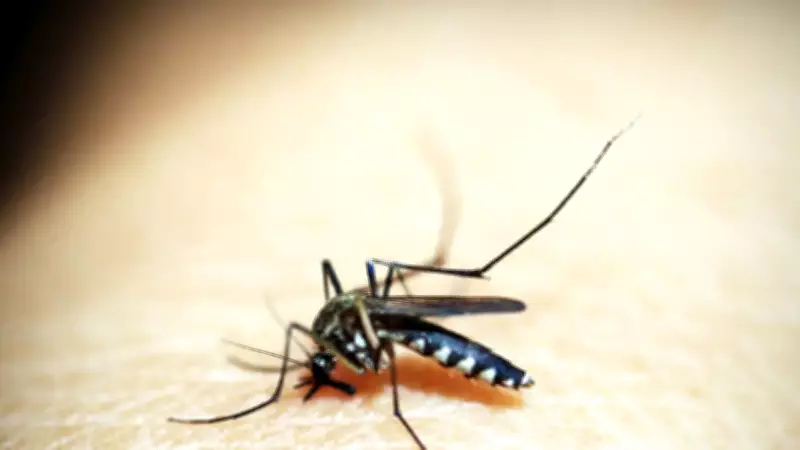
A traveler has tragically lost their life in Western Australia after contracting the rare mosquito-borne Murray Valley Encephalitis (MVE) virus during a trip to the state's north. The Western Australia Health Department confirmed the death, marking the first reported fatality from the virus in the state this year, according to ABC News.
Where Did the Infection Happen?
A department spokesperson stated that the adult traveler was likely exposed to the virus in the West Kimberley region, located roughly 2,000 kilometers north of Perth. Health Department managing scientist Andrew Jardine said the infection is believed to have taken place in early May. "That's where it was likely acquired and then [the person] was transferred down to a hospital in Perth, where they sadly passed away recently," Dr. Jardine explained. He added that symptoms can take several weeks to develop.
Rare but Serious
While MVE is endemic to northern WA and spreads through infected mosquito bites, severe complications remain rare. Many people who contract the virus exhibit no symptoms or only mild illness. However, in severe cases, the virus can lead to a brain infection, potentially causing permanent lifelong symptoms or death. "It's a strange virus in that a lot of people do get it and won't have symptoms or very, very mild symptoms," Dr. Jardine noted. "Quite rarely you can get this very serious encephalitis, which is swelling on the brain that can cause brain damage or result in death."

Symptoms to Watch
Health officials are urging anyone displaying signs of MVE or similar mosquito-borne illnesses, such as Japanese encephalitis, to seek medical help immediately. "If you get serious encephalitis, [symptoms can include] swelling, headache, but then confusion, dizziness, nausea, neck stiffness, or any of that," Dr. Jardine said.
Increasing Risk
With winter approaching in Australia, the warning is crucial as thousands of tourists head to northern Australia to escape colder months. Dr. Jardine noted that while the risk of contracting the virus is highest during and right after the wet season in the Kimberley and Pilbara regions, the danger can extend into July. "The wet season in northern WA and the period immediately after it are the highest risk time for mosquito-borne virus activity," he said. "Once you get beyond that period in the dry season, most of the mosquitoes are gone. Even if the mosquitoes are not new ones coming through, there could be ones that have been flying around for a week or two that may have acquired Murray Valley encephalitis that could still be infecting people for another few weeks yet."
Monitoring the Virus
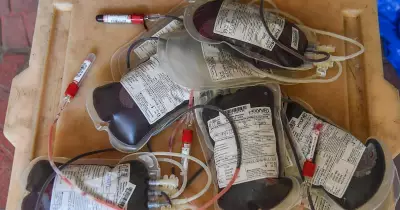
The Department of Health tracks virus activity through mosquito surveillance and a "sentinel chicken" program. These chickens are stationed across the Kimberley and Pilbara regions, where regular blood tests detect the presence of flaviviruses and other mosquito-borne diseases. Since there is no vaccine for Murray Valley Encephalitis, prevention is the only real defense. "It is a bit of a scary disease if you get it and it's far better to just avoid acquiring it in the first place by avoiding mosquito bites," Dr. Jardine concluded.