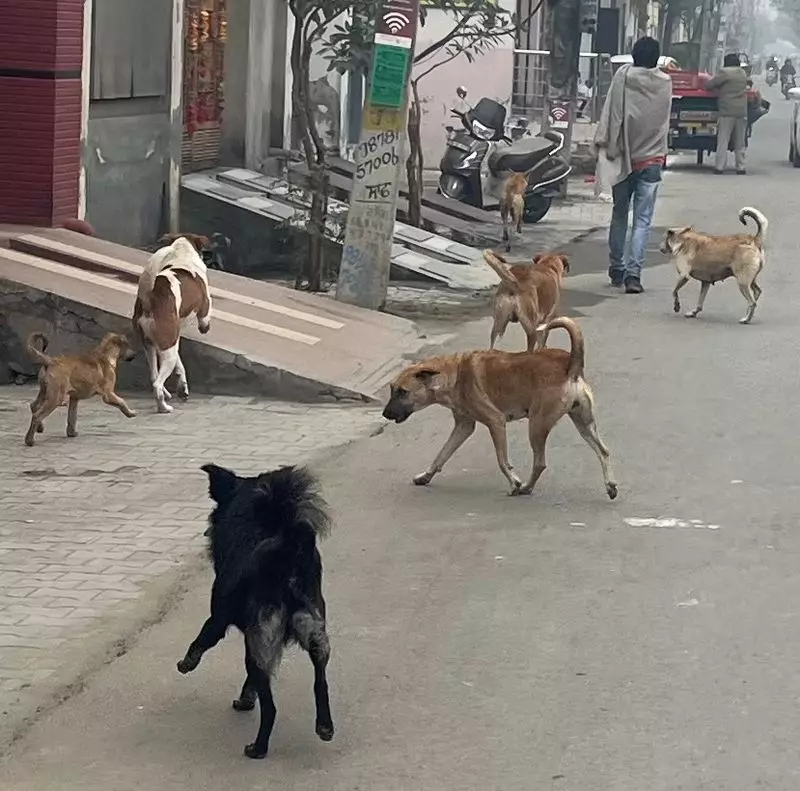
The historic town of Malerkotla in Punjab's Sangrur district is grappling with a severe and escalating public safety crisis. For months, residents have been living under the shadow of a growing stray dog menace, reporting daily incidents of aggression, attacks, and a pervasive sense of fear when using public streets, especially during early mornings and late evenings.
Daily Life Disrupted by Fear and Aggression
Local accounts paint a grim picture of the situation. The problem is not confined to isolated areas but has become a town-wide issue. Residents from various neighbourhoods report that packs of stray dogs roam freely, exhibiting aggressive behaviour. This has severely impacted daily routines, with many people, particularly the elderly, children, and women, afraid to step out of their homes alone. The menace is most acute during the hours of dawn and dusk, times when people often commute for work or exercise.
Incidents are not just limited to chasing or barking. There have been multiple reported cases of dog bites, causing physical injury, trauma, and the associated risk of rabies. The psychological toll on the community is significant, with constant vigilance required even for short walks. Shopkeepers and vendors also complain that the presence of aggressive dogs affects their businesses, as customers are reluctant to visit.

Authorities' Response Falls Short of Public Expectation
Faced with this ongoing threat, the citizens of Malerkotla have repeatedly appealed to the local municipal authorities for a effective and permanent solution. However, the response from the Malerkotla Municipal Corporation has been perceived as lacklustre and temporary. While occasional drives to catch stray dogs are undertaken, residents argue these efforts are sporadic and fail to address the root cause of the population explosion.
The current piecemeal approach involves catching a few dogs from specific complaint areas, but the animals often return or are replaced by others from different parts of the town. This has led to widespread frustration among the populace, who feel their safety concerns are being neglected. The community's patience is wearing thin as promises of a comprehensive plan have yet to materialise into visible, sustained action on the ground.
The Call for a Sustainable and Humane Solution
Residents and community leaders are now vocally demanding a scientific and systematic approach to curb the stray dog population. The primary solution advocated is the full implementation and scaling up of the Animal Birth Control (ABC) program as per national guidelines. The ABC program, which involves sterilising and vaccinating stray dogs before releasing them back into their territory, is recognised as the most humane and effective long-term strategy to manage populations and reduce rabies risk.
Critics point out that mere removal or relocation drives are ineffective and often illegal. They emphasise that the municipal corporation must allocate proper resources, infrastructure, and manpower to run a continuous ABC program in collaboration with animal welfare organisations. Additionally, there is a call for better garbage management across the town, as open waste provides a ready food source for strays, exacerbating the problem.
The situation in Malerkotla underscores a classic urban management challenge faced by many Indian towns. It highlights the conflict between public safety and animal welfare, a balance that can only be struck through consistent policy execution. The residents' message is clear: they seek a permanent end to the menace that allows them to reclaim their public spaces without fear. The ball is now in the court of the local administration to demonstrate a committed, humane, and strategic response to this growing crisis.