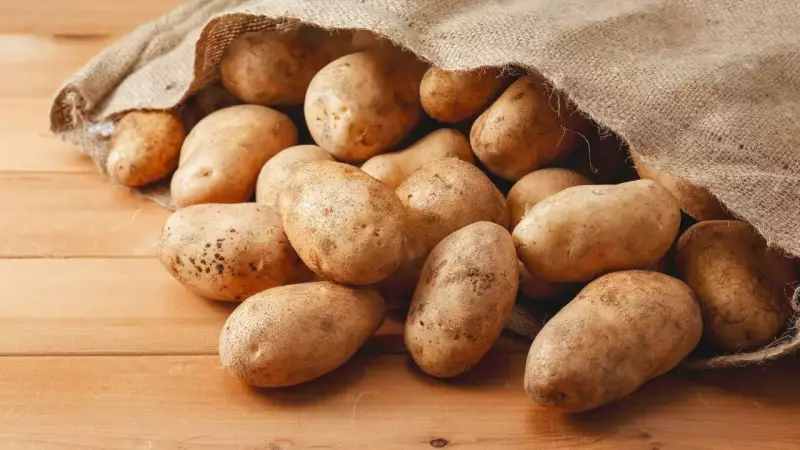
For generations, the humble potato has been a silent, reliable staple in Indian kitchens. It sits unassumingly in baskets, is chopped on boards, and transforms into countless beloved dishes without a second thought. However, a quiet unease is now spreading among consumers. In markets and across social media, conversations are growing about potatoes that appear perfectly fresh but may not be entirely natural.
The Hidden Concern in Our Daily Meals
The worry stems from the potential use of chemicals to make potatoes mature faster and maintain a clean, appealing look for longer periods on shop shelves. The most troubling part is that these potatoes do not look strange or alarming. They look good, which makes the issue hard to detect. This is not about causing panic but fostering awareness, especially for those cooking for vulnerable family members like young children or the elderly. Knowing exactly what goes into the family pot has become a small but significant question for many households.
The practice involves treating vegetables before they reach the market to speed up growth or enhance appearance. While this does not automatically mean they are toxic, heavy processing can affect the vegetable's natural quality. Over time, repeated exposure to chemical residues is what alarms health experts. The risk is often cumulative, linked to long-term consumption habits. In a country where potatoes are eaten several times a week in many homes, even minor changes in agricultural practices can have a substantial impact over the years.

Four Simple Home Tests to Check Your Potatoes
You don't need a laboratory to become a more informed consumer. Here are practical, time-tested methods you can use at home to check the potatoes you buy.
1. The Colour Check: Look Inside
One of the easiest checks begins after you cut the potato open. A naturally grown potato typically has a consistent colour inside and out, commonly a pale yellow or light cream hue. If you notice a sharp contrast where the skin looks normal but the inside is unusually white, bright, or has a greyish tint, it should raise a flag. While soil type and potato variety influence colour, a stark difference can be a sign of unnatural treatment or storage. It's a simple visual check that takes just a moment during your regular cooking prep.
2. The Smell Test: Trust Your Nose
Often overlooked, your sense of smell is a powerful detection tool. A fresh, natural potato carries a mild, earthy, and familiar scent. If a potato emits a sharp, chemical, or simply odd smell, especially when cut or peeled, it warrants caution. Not every unusual odour signifies danger, but your senses are primal tools for assessment. Trusting that instinct can make you pause before using a vegetable that feels wrong.
3. The Water Test: Check for Density
This quick test involves placing a raw potato in a bowl or bucket of water. A dense, solid potato will usually sink. If a potato floats or hovers unusually high in the water, it may have lost its natural density, potentially due to treatment or poor quality. A potato that feels suspiciously light in your hand and floats is best avoided. Consider this a helpful clue, not a definitive verdict, to be used alongside other checks.
4. The Peel Test: Feel the Skin
The skin of a potato often tells a subtle story. Natural potato skins are thin, slightly rough, and come off relatively easily when scraped. Potatoes that have been heavily treated sometimes develop thicker, tougher, or waxier skins that feel almost plastic-like and resist peeling. Gently scraping the skin with your fingernail can help you feel this difference. It's a small act of attention that can reveal a lot.
Building Safer Kitchen Habits
No single test guarantees 100% certainty. The goal is to build a habit of mindful consumption. Purchasing from trusted, local vendors or farmers' markets whenever possible can significantly reduce risks. Taking just a few extra seconds to look, smell, and feel your vegetables before cooking is a powerful practice. These are not dramatic actions but simple, repeated habits that empower you to make better choices for your family's long-term health and well-being.