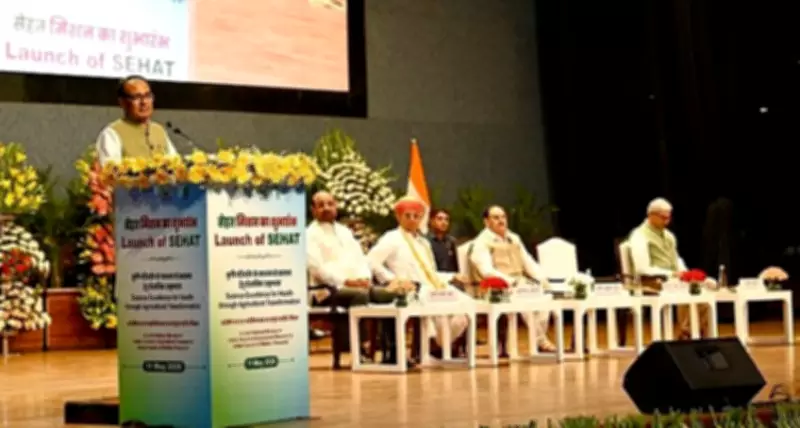
The SEHAT Mission represents a paradigm shift in India's healthcare approach, moving from a treatment-centric model to one that emphasizes prevention, early detection, and continuous care. This initiative aims to tackle the dual burden of malnutrition and the rising prevalence of non-communicable diseases (NCDs) such as diabetes, hypertension, and cardiovascular ailments.
Understanding the SEHAT Mission
SEHAT, which stands for Sustainable Efforts for Health and Transformation, is a comprehensive program launched by the Indian government. It integrates efforts from multiple ministries and research bodies, including the Indian Council of Medical Research (ICMR) and the Indian Council of Agricultural Research (ICAR). The mission focuses on nutritional interventions, lifestyle modifications, and strengthening primary healthcare infrastructure.
Key Objectives
- Addressing Malnutrition: The mission targets both undernutrition and micronutrient deficiencies through fortified foods, dietary diversity, and supplementation programs.
- Preventing NCDs: Early screening for risk factors like obesity, high blood pressure, and blood sugar levels is a priority. Community health workers will conduct regular check-ups.
- Continuous Care: Patients diagnosed with NCDs will receive long-term management support, including medication adherence and lifestyle counseling.
Implementation Strategy
The mission leverages technology for data collection and monitoring. A digital health platform will track individual health indicators, enabling personalized interventions. Collaboration with agricultural researchers ensures that nutritional strategies are culturally appropriate and sustainable. The program also includes public awareness campaigns to promote healthy eating and physical activity.

Significance of the Mission
India faces a dual epidemiological challenge: while infectious diseases persist, NCDs have become the leading cause of death. Malnutrition, particularly among children and women, exacerbates this burden. The SEHAT Mission's integrated approach is expected to reduce healthcare costs and improve quality of life. By focusing on prevention, it aims to alleviate pressure on an overburdened healthcare system.
JP Nadda, a key figure in the mission's rollout, emphasized the need for community participation. The success of SEHAT depends on grassroots engagement and inter-sectoral coordination. Pilot projects in select districts have shown promising results, with improved nutritional indicators and early detection of NCDs.
Challenges and Future Outlook
Despite its potential, the mission faces hurdles such as funding constraints, manpower shortages, and behavioral resistance to lifestyle changes. However, the government's commitment to health transformation, coupled with technological advancements, offers hope. The SEHAT Mission could serve as a model for other developing nations grappling with similar health challenges.