

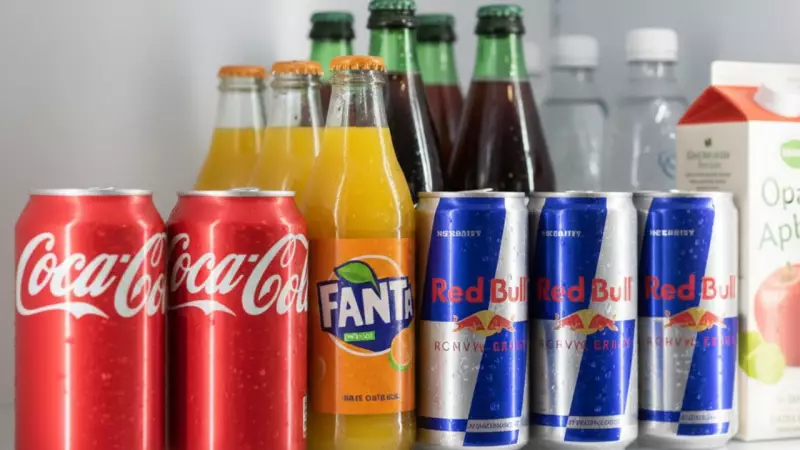
Consumers in Saudi Arabia will see a change in the prices of their favourite fizzy drinks and juices from the first day of the new year. The Kingdom is implementing a major overhaul of its taxation policy on sweetened beverages, moving away from a one-size-fits-all approach to a system that directly targets sugar content.
From Flat Rate to Four Tiers: How the New Tax Works
The Zakat, Tax and Customs Authority (ZATCA) has announced that starting January 1, the existing flat 50 percent excise tax on the retail price of sweetened drinks will be scrapped. In its place, a new, nuanced four-tier system will take effect. The core principle is simple: the more sugar a drink contains, the higher the tax it will attract.
The tax will now be calculated based on the total sugar content per 100 milliliters of the beverage. This structural shift is designed to make sugary drinks more expensive while offering relief for healthier, low or no-sugar alternatives. The authority's goal is to directly influence both manufacturer behaviour and consumer choice, steering the market towards products with reduced sugar.

The Four Tax Brackets Explained
The new excise framework categorises all sweetened beverages into four distinct groups:
- Tier 1 – Artificially Sweetened Beverages: Drinks containing only artificial sweeteners with no added sugar will fall into this category.
- Tier 2 – Low-Sugar Beverages: This applies to drinks with less than 5 grams of sugar per 100 ml.
- Tier 3 – Medium-Sugar Beverages: Beverages containing between 5 to 7.99 grams of sugar per 100 ml.
- Tier 4 – High-Sugar Beverages: The highest tax bracket is reserved for drinks with 8 grams or more of sugar per 100 ml.
It is important to note that the tax applies broadly. It covers ready-to-drink products, concentrates, powders, gels, and extracts that can be converted into a beverage. The amendments to the executive regulations of the Excise Goods Tax Law were approved by ZATCA's Board of Directors to enable this change.
A GCC-Wide Public Health Strategy
This reform is not an isolated policy move. ZATCA has explicitly linked it to a broader public health strategy aimed at curbing sugar consumption and mitigating associated health risks like obesity and diabetes. By tying the financial cost directly to sugar content, the system creates a powerful incentive for producers and importers to reformulate their products.
Furthermore, this change aligns Saudi Arabia with a regional decision. The Gulf Cooperation Council’s Financial and Economic Cooperation Committee had earlier agreed to implement a volumetric, tiered excise tax system on sweetened drinks across all member states. This reflects a coordinated regional effort to tackle a common public health challenge.
What This Means for Consumers and the Market
The immediate impact will be visible on price tags. Shoppers can expect higher-sugar beverages to become relatively more expensive compared to their low-sugar or sugar-free counterparts. This price signal is intended to nudge consumers towards healthier choices.
For the industry, the new structure encourages a fundamental rethink. Manufacturers and importers are now motivated to reduce the sugar content in their drinks to avoid being slotted into the higher tax brackets. This could lead to a wave of product reformulation in the Saudi market, similar to trends observed in other countries that have adopted sugar taxes.
In a parallel development, the United Arab Emirates has announced it will implement a similar sugar-based excise tax on beverages, effective January 1, 2026. This indicates a sustained, long-term commitment across the GCC to use fiscal policy as a tool for promoting healthier lifestyles and reducing the regional burden of diseases linked to high sugar intake.






