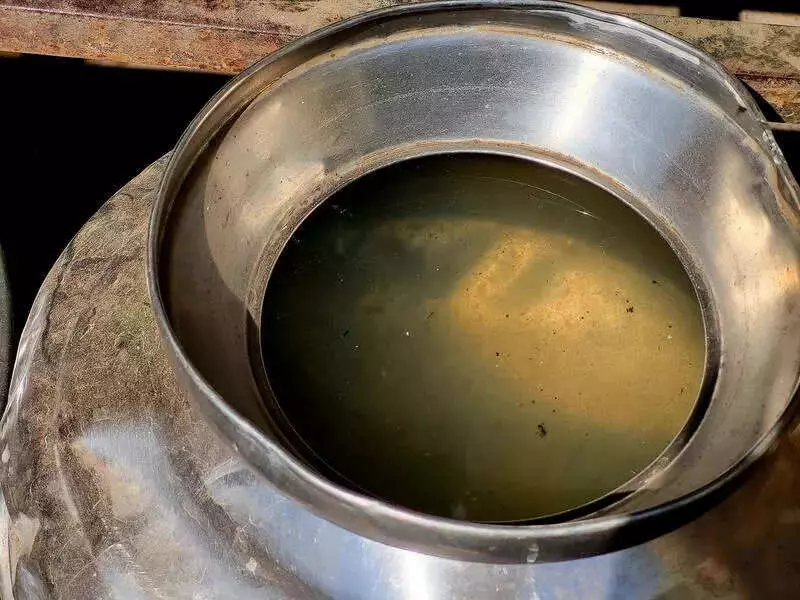
One year after Pune endured one of the world's most severe Guillain-Barré Syndrome (GBS) outbreaks, systemic shortcomings continue to plague the city's response mechanisms. The Pune Municipal Corporation (PMC) and local hospitals appear to have drawn only limited lessons from the crisis, with critical gaps in infrastructure and preparedness persisting despite the traumatic experience.
Water Safety Measures Remain Incomplete
Although investigations strongly pointed to contaminated water as the probable cause of the devastating outbreak, the PMC has yet to establish a dedicated water treatment plant in the affected areas. This crucial infrastructure gap highlights the slow pace of systemic improvements following the public health emergency.
Nandkishore Jagtap, chief engineer of PMC's water supply department, acknowledged this significant delay, stating, "We have approached the Central Water and Power Research Station for permission to use a plot for the plant, but the approval is still awaited. Construction can begin once the clearance is granted."

Partial Progress in Water Monitoring
Jagtap reported that automation of chlorination has been implemented across all water treatment plants, and water suppliers have received instructions to maintain safety standards. "PMC conducts regular random water sampling, which is tested at Parvati laboratory," he confirmed.
However, the civic body currently does not test water samples from RO suppliers, creating a potential oversight in water quality monitoring. Jagtap revealed plans to address this gap, saying, "PMC will soon invite tenders to enable testing of water samples through accredited third-party laboratories."
The water department is also coordinating with drainage and health departments to replace aging sewage pipelines and test water samples in areas reporting increases in water-borne diseases.
Healthcare System Response and Gaps
The GBS outbreak exposed serious challenges within Pune's healthcare infrastructure, including:
- Critical shortages of intravenous immunoglobulin (IVIG) injections
- Significant delays in diagnostic testing procedures
- Limited intensive care capacity during patient surges
- Hospitals struggling to manage sudden influxes of critically ill patients
Hospital Initiatives and Ongoing Concerns
Dr. Vaishali Jadhav, PMC's assistant health officer, highlighted efforts to improve disease surveillance, stating, "We are training private hospitals to report any unusual increase in communicable diseases and onboarding more hospitals with admission facilities to report sudden rises in water-borne or vector-borne infections. Around 50 more hospitals will be added soon."
She emphasized that the upcoming Metropolitan Surveillance Unit would significantly strengthen monitoring capabilities across the city.
In response to the crisis, Jupiter Hospital in Baner has established a dedicated Guillain-Barré Syndrome clinic designed to ensure faster diagnosis, treatment, and rehabilitation. This specialized unit promises to complete diagnostic tests within six hours and provide comprehensive care under one roof.
Dr. Rajas Deshpande, director of neurology at Jupiter Hospital, explained the clinic's importance: "GBS can progress very rapidly, and even brief delays in diagnosis can severely affect outcomes. This clinic creates a streamlined pathway for early detection, immediate treatment, and close multidisciplinary monitoring."
Systemic Reflections and Criticisms
Dr. HK Sale, chairperson of the Pune chapter of the Association of Hospitals, reflected on the outbreak's challenges, admitting that healthcare facilities faced acute shortages of ICU beds and IVIG injections. "In such situations, the government must take responsibility for centrally stocking rare but critical drugs, so neither hospitals nor patients are left scrambling," he asserted.
Activist Abhijit More offered a more critical perspective, comparing the GBS outbreak to the COVID-19 pandemic as a missed opportunity for systemic improvement. "Instead of fixing longstanding gaps in public and private healthcare, we appear to have regressed," he lamented, highlighting concerns about the healthcare system's resilience and preparedness for future emergencies.

The persistence of these systemic issues one year after the crisis raises important questions about institutional learning, implementation capacity, and the sustainability of public health improvements in urban India. While some initiatives have been launched, comprehensive solutions addressing the root causes of the outbreak remain incomplete, leaving Pune vulnerable to similar public health challenges in the future.