The foundation of a crucial new medical college in Punjab is shaking, not due to structural flaws, but because of intense political pressure. Plans for a Government Medical College in Hoshiarpur, already approved and in motion, are now under threat as political forces lobby to relocate it to Jalandhar. This move, driven by electoral considerations rather than healthcare needs, risks derailing the project entirely and sets a alarming precedent for infrastructure development in the state.
The Approved Blueprint vs. Political Demands
The original plan, meticulously developed by the state's Department of Medical Education and Research, identified Hoshiarpur as the ideal location. The site at the Baba Farid University of Health Sciences (BFUHS) regional centre was chosen for specific, practical reasons. Crucially, it had the necessary land and infrastructure readily available, which is a significant hurdle for such projects. The proposal received the essential "Essentiality Certificate" from the state government and, most importantly, the initial approval from the National Medical Commission (NMC).
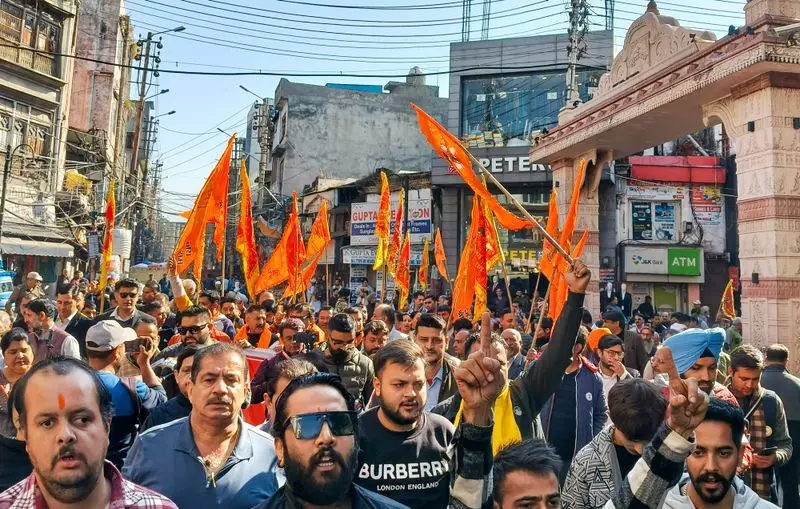
However, this rational planning has collided with political ambitions. A section of political leaders, particularly from the Jalandhar region, has been campaigning aggressively to move the college to Jalandhar. Their argument hinges on Jalandhar being a larger urban centre. Yet, this demand ignores the established process and the fact that Jalandhar already possesses multiple medical institutions, including a government medical college and a prominent private university.

Consequences of Shifting Goalposts
Yielding to this political pressure carries severe consequences. First and foremost, it jeopardizes the project's tight timeline. The NMC's approval is not transferable; a change in location means the application process must restart from scratch. This includes securing a new Essentiality Certificate, resubmitting detailed project reports, and undergoing a fresh inspection. Valuable time and resources invested in the Hoshiarpur plan would be wasted.
Furthermore, this episode exposes a deeper malaise in governance. It signals that vital public infrastructure projects can be altered mid-stream based on the political clout of a region, rather than on objective assessment and equitable distribution. Experts warn that such actions undermine systematic healthcare planning and could lead to an imbalanced concentration of medical facilities, neglecting the needs of districts like Hoshiarpur.
A Dangerous Precedent for Punjab's Development
The implications extend beyond this single medical college. If successful, this politically-motivated relocation creates a dangerous template. It tells citizens and bureaucrats that well-laid plans are subject to change by the strongest lobby, not the greatest need. For a state striving to improve its doctor-population ratio and healthcare access in underserved areas, this is a regressive step.
The state government now faces a critical test of its commitment to due process and equitable development. Succumbing to pressure would not only delay much-needed medical seats but also erode trust in institutional planning. The choice is clear: uphold the sanctioned, merit-based plan for Hoshiarpur or set a precedent where political expediency dictates public health infrastructure, potentially spelling doom for future projects.