

PGI Study Launches Social Media Safety Intervention for Adolescents in Panchkula
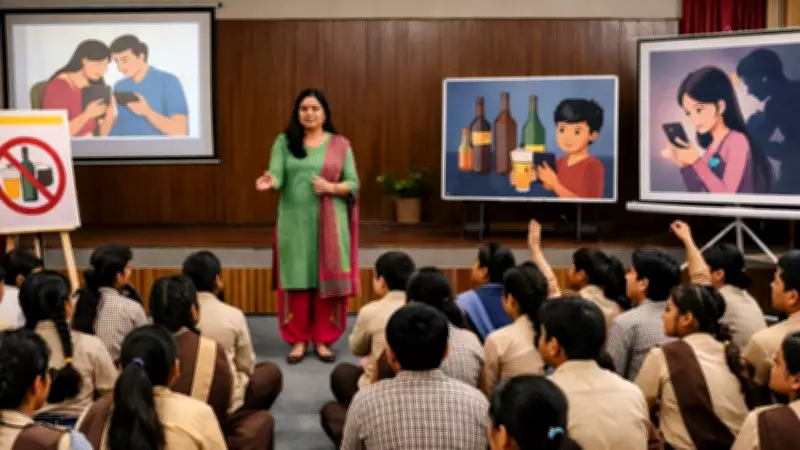
A focused awareness initiative promoting safe and responsible social media use among adolescents was conducted at Saarthak Government Integrated Model Senior Secondary School (GIMSSS), Sector 12A, Panchkula, by a research team from the Postgraduate Institute of Medical Education and Research (PGI), Chandigarh. This intervention addressed growing concerns around excessive social media use, its influence on family relationships, alcohol exposure, and risky sexual behaviours among adolescents.
Research Background and Objectives
The session was part of an Indian Council of Medical Research (ICMR)-funded, multi-city cluster randomised controlled trial led by Dr Tanvi Kiran, principal investigator and Associate Professor in the Department of Community Medicine and School of Public Health at PGI. The study examines the impact of social media on child–family relationships, alcohol use, and sexual health among adolescents, with the aim of developing evidence-based strategies to promote healthy digital behaviours in urban North India.
Interactive Session Details
The intervention was delivered by Divya Sharma, ICMR Research Scientist-II, along with the project team. A total of 113 students participated in the one-hour session, which moved beyond conventional lectures to include interactive presentations and poster-based discussions. The engagement-focused format encouraged adolescents to reflect on their own digital habits and openly discuss challenges they face online.

Core Themes Addressed
Three core themes were addressed during the session. The first focused on the impact of social media on child–family relationships, highlighting how excessive screen time can weaken communication and emotional bonding at home. Students were encouraged to adopt practical strategies such as setting screen-time boundaries and prioritising real-life conversations.
The second theme examined the role of social media in normalising adolescent alcohol consumption. Discussions explored influencer culture, surrogate advertising, and fear of missing out as drivers of early alcohol exposure. The session highlighted health risks such as impaired brain development and addiction, while offering protective strategies, including content filtering, peer selection, and engagement in sports and offline activities.
The third theme addressed social media-driven risky sexual behaviour. Adolescents were sensitised to the risks associated with sexualised online content, misinformation, and cyber intimacy. Emphasis was placed on digital responsibility, recognising misleading trends, setting personal boundaries, and seeking reliable information on sexual health.
Sustained Educational Efforts
Following the session, educational posters developed by the PGI team were formally handed over to the school administration and installed on classroom notice boards. These materials provide sustained visual reinforcement on topics such as digital addiction, underage drinking risks, online safety, and healthy family boundaries.
As adolescent digital exposure continues to rise, this initiative offers a scalable model for promoting safe social media use and strengthening adolescent health. The study aims to contribute valuable insights into mitigating the negative impacts of social media on young individuals.






