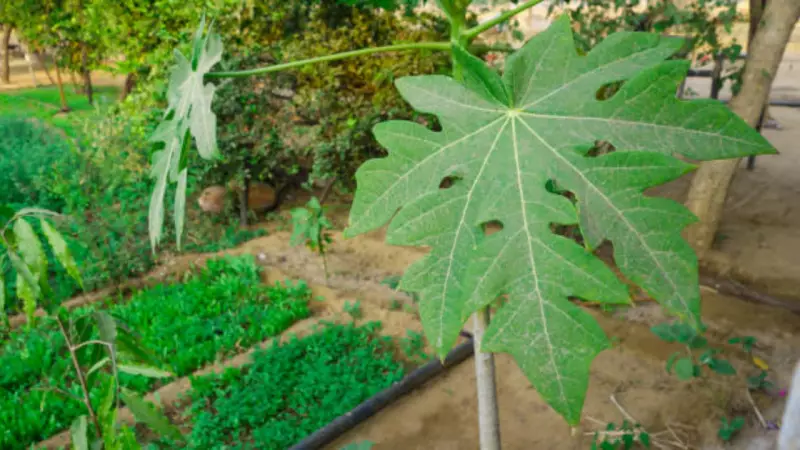
Dengue fever, with its signature high fever and severe body pain, often brings a wave of confusion and unsolicited advice. The moment a person tests positive, a flood of home remedies and treatment suggestions pours in from all sides. Among the most persistent beliefs is the idea that dengue can be managed at home without a doctor and that papaya leaf juice is a miracle cure for low platelets. Medical experts are now issuing a strong warning against relying on such unproven methods for a potentially severe disease.
The Papaya Leaf Juice Myth: What Do Experts Say?
Many people turn to papaya leaf juice as a supportive therapy during dengue, hoping it will boost their platelet count. Nidhi Sahai, Head of Department - Dietetics at Medanta Hospital, Noida, acknowledges that the leaves contain antioxidants, flavonoids, vitamin C, and enzymes like papain. These components may help reduce inflammation and support immunity, which can aid recovery.
However, she makes a crucial distinction. "While some past studies and historical use suggest papaya leaf extracts might assist in increasing platelet levels, it is not a replacement for conventional medicine and should not be considered a cure for dengue fever," Sahai clarifies. The juice is a complementary support, not a primary treatment.

No Magic Pill for Platelets: How Dengue is Really Managed
Dr. Santosh Kumar Agrawal, Director of Internal Medicine at Yatharth Super Speciality Hospital, Faridabad, explains the medical reality. "At present, no pharmaceutical agent exists that specifically raises the number of platelets in a dengue patient," he states. The core of dengue management lies in vigilant monitoring, appropriate fluid replacement, and comprehensive supportive care.
He details why platelets drop in the first place. The dengue virus triggers an immune-mediated reaction where the body's own defenses suppress the production of new platelets and destroy existing ones. In severe cases, capillary leak syndrome causes plasma loss, further complicating the situation. "The negative outcome of severe dengue is not solely due to low platelets but the acute nature of the disease itself," Dr. Agrawal explains.
Platelet transfusions are reserved only for patients with active bleeding or severe thrombocytopenia, not as a routine measure to artificially elevate counts.
WHO Stance and the Danger of Myths
Dr. Agrawal emphasizes that global health bodies do not endorse papaya leaf extract. "The WHO and other scientific resources do not currently endorse any scientific evidence supporting its benefit for raising platelet levels in dengue," he says. Despite heavy marketing, available research is inconsistent and lacks rigor.
No global health organization recommends it as a standard treatment. Relying on such unproven remedies can delay proper medical care, which is critical as dengue can escalate from mild to severe very rapidly. Knowing the facts helps prevent panic and ensures patients seek timely, evidence-based medical guidance, which can be life-saving.
The key takeaway is clear: Dengue requires professional medical supervision. While papaya leaf juice might offer some supportive benefits, it is not a cure. Effective management hinges on careful monitoring, hydration, and following the advice of qualified healthcare providers, not on myths that refuse to die.