The National Human Rights Commission (NHRC) has stepped in following a major health scare in Gujarat's capital. The commission has initiated suo motu proceedings based on media reports detailing a significant surge in typhoid cases in Gandhinagar, allegedly caused by contaminated drinking water.
NHRC Demands Detailed Report from Gujarat Government
In a decisive move, the NHRC issued a formal notice to the Chief Secretary of the Gujarat government on Thursday, January 9, 2026. The commission has demanded a comprehensive report on the entire incident within a strict timeframe of two weeks. This action underscores the gravity of the situation and the perceived failure in public health safeguards.
The NHRC stated that the news reports, if accurate, point to a serious violation of the victims' human rights. The commission's notice specifically calls for information on the current health status of all patients, both those treated as outpatients and those admitted to hospitals. Furthermore, it seeks details on the measures already taken or planned to prevent such a dangerous recurrence.

Outbreak Linked to Faulty Water Infrastructure
The crisis came to light in late December when areas under Sectors 24, 26, 28, and Adiwada within the Gandhinagar Municipal Corporation limits began reporting a spike in typhoid infections. Over 100 suspected and confirmed typhoid patients were admitted to the Gandhinagar Civil Hospital for treatment.
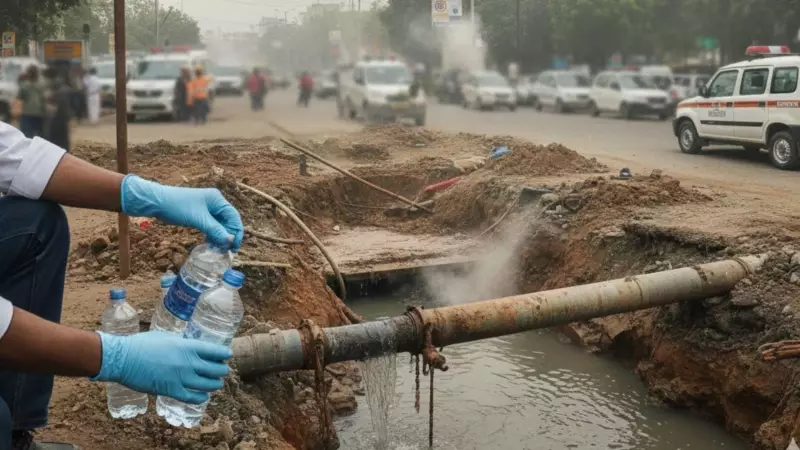
Health department investigations pinpointed the cause to a critical failure in the city's water supply system. The root of the outbreak was identified as the mixing of drainage water with potable drinking water due to leaks in pipelines. Shockingly, authorities have located seven specific points of leakage in the network, which allowed sewage to infiltrate the clean water supply. This has raised alarming questions about the quality of the newly-laid water infrastructure in the city.
Health Crisis Exposes Systemic Flaws
The Gujarat State Health Department has officially confirmed 70 active cases of typhoid concentrated in the affected zones. The incident has exposed what appears to be a serious flaw in urban planning and maintenance, turning a basic civic amenity into a source of disease.
The NHRC's intervention shifts the issue from a local administrative problem to a matter of fundamental rights. The state government's forthcoming report will be closely scrutinized for its accountability and the proposed long-term solutions to ensure safe drinking water for all residents of Gandhinagar. The next two weeks are crucial for the state administration to respond comprehensively to the commission's concerns.