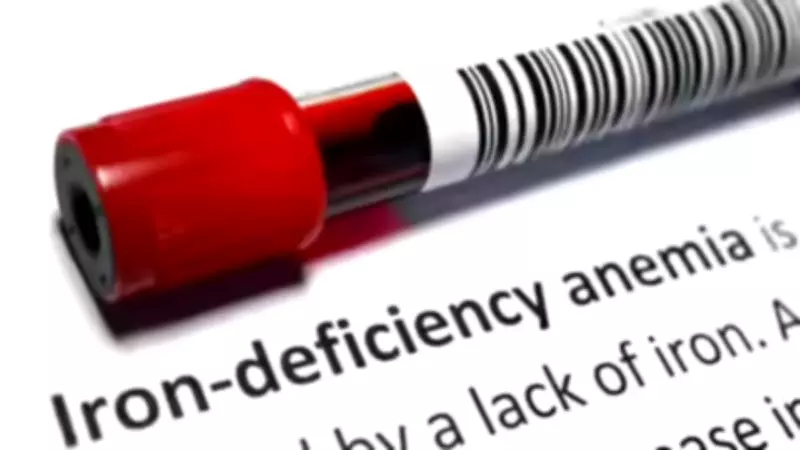
The absence of anaemia estimates from the newly released National Family Health Survey (NFHS)-6 Fact Sheets has raised questions among public health experts. The government has clarified that the indicator was excluded due to concerns over the blood-testing method used in previous survey rounds.
Government Explanation
Health Ministry officials stated that haemoglobin testing was not conducted in NFHS-6 because of issues with the capillary blood sampling method employed earlier. Instead, anaemia estimates will be derived from the Indian Council of Medical Research's Diet and Biomarkers Survey, which uses venous blood samples and is expected to yield more accurate results.
The clarification comes amid debate over the omission of several indicators from the NFHS-6 Fact Sheets, which cover 101 key health, nutrition, and demographic measures. Officials emphasized that these Fact Sheets represent only the initial stage of data dissemination and not the final NFHS-6 report. A detailed National Report, to be released later, will include additional indicators, analyses, and methodological details.

No Key Indicators Dropped
The ministry rejected suggestions that key indicators had been dropped. According to officials, some data are now generated through specialized surveys and administrative systems. For instance, sanitation and clean cooking fuel coverage are tracked via dedicated surveys, while mortality and birth registration statistics continue to come from systems such as the Sample Registration System and Civil Registration System.
NFHS-6 has also introduced new indicators, including population composition, elderly population share, financial inclusion, antenatal care utilization, vaccination coverage, severe diarrhoeal disease prevalence, and expanded breastfeeding measures. Officials confirmed that detailed family planning indicators, selected child health interventions, women's health measures, and HIV-related findings will be included in the full National Report.
“The Fact Sheets are the first stage of dissemination. The detailed National Report will provide a much broader picture,” a senior Health Ministry official said. The ministry maintained that NFHS remains India's largest household health survey and continues to be a key source of evidence for health policy and planning.
Anuja Jaiswal, a Senior Assistant Editor at The Times of India with 18 years of experience in narrative journalism, reported this story. She specializes in health and heritage reporting, simplifying complex health information for readers.