Narmada Jayanti Exposes Stark Divide Between Faith and Fear in Madhya Pradesh
On the sacred occasion of Narmada Jayanti, Madhya Pradesh presented a dramatic contrast in how its people relate to the state's vital water lifeline. While thousands of devotees gathered at historic riverbanks to celebrate the Narmada's spiritual significance, one neighborhood in Indore grappled with a terrifying reality of contaminated water that has turned celebration into mourning.
Massive Devotional Gatherings at Holy Sites
From early Sunday morning, the banks of the Narmada echoed with devotional chants of "Namami Devi Narmade" and "Narmade Har" as faithful pilgrims converged on traditional ghats. In Omkareshwar, nearly one lakh devotees had arrived by noon, creating massive traffic congestion that stretched from Kothi to Mortakka. The historic stone ghats of Maheshwar were similarly packed with pilgrims seeking spiritual purification through ritual bathing in the sacred waters.
In Barwaha, approximately 25 quintals of food were ceremoniously offered into the river as part of traditional practices that honor the Narmada as a provider for all living beings. These celebrations reflected the river's revered status in Hindu tradition as a destroyer of sins and a source of spiritual liberation.

Bhagirathpura's Tragic Reality: Contamination Fears Replace Celebration
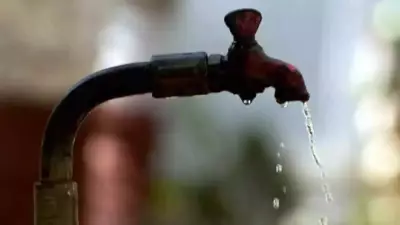
Meanwhile, in Bhagirathpura, Indore, residents faced a completely different reality that stood in stark contrast to the statewide celebrations. Following a series of deaths allegedly linked to contaminated water supply, the neighborhood found itself gripped by fear rather than festive spirit.
Ravindra Pathak, a local priest who recently recovered from a 15-day battle with severe vomiting and diarrhoea, expressed the community's heartbreak. He first recited the traditional shloka invoking seven holy rivers, including the Narmada, then shared his painful truth: "Narmada is a holy river that destroys 10 types of sins. But in Bhagirathpura, sewage mixed with the supply of Narmada water. For us, Narmada Jayanti today doesn't mean 'bathing and donation'; it means 'horror and precaution.'"
Residents Voice Their Anguish and Fear
The sentiment was widely shared among Bhagirathpura residents who have traditionally revered the Narmada but now fear the water coming from their taps. Sadhana Dhanak, who has experienced the river's grace in her hometown, expressed the community's distress: "Narmada is the Mokshadayini (giver of salvation). It is our lifeline. But today, people are trembling at the sight of Narmada water coming from government taps. It became a synonym for death due to administrative negligence."
Usha Borasi, whose 22-year-old daughter Vaishnavi was recently hospitalized, summarized the neighborhood's desperate plea: "We don't want miracles; we just want the security of clean water. We saw too many deaths."
A Tragic Irony of Contradictory Experiences
Sangeeta Gurjar highlighted the painful paradox facing the community: "On one side, people are touching this water to their foreheads to feel blessed. On the other side, an entire area is terrified to touch it. The water that is supposed to give life is feared because of the system's apathy."
As the state concluded its grand evening aartis with lamps floating down the river, the people of Bhagirathpura remained on edge, waiting for the day when they could once again view the Narmada as a source of life rather than a potential source of disease. This Narmada Jayanti has exposed not just a river's spiritual significance, but also the critical importance of safe water infrastructure and administrative accountability in protecting public health.