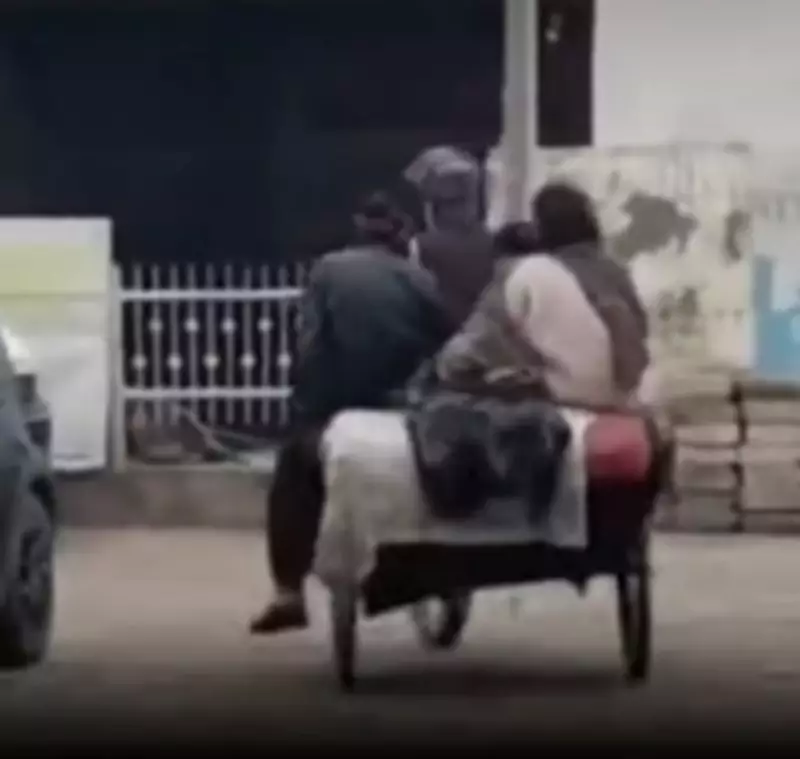
Man in Haryana Forced to Transport Wife's Body on Cart from Hospital Amid Ambulance Shortage
In a distressing incident that underscores the deep-seated issues within India's healthcare infrastructure, a man from Haryana was compelled to carry his deceased wife's body on a cart from a local hospital. This tragic event occurred due to the hospital's failure to provide an ambulance, leaving the grieving husband with no alternative means of transportation.
Details of the Heartbreaking Incident
The incident took place in Haryana, where the man, whose identity has been withheld to respect privacy, arrived at the hospital with his ailing wife. Despite her critical condition, she succumbed to her illness during treatment. Following her death, the hospital authorities informed the husband that no ambulance was available to transport the body to their home or a cremation ground.
Faced with this bureaucratic and logistical failure, the man had no choice but to place his wife's body on a makeshift cart. He then proceeded to push the cart through the streets, a scene that has since sparked widespread outrage and condemnation from the public and health advocates alike.

Broader Implications for Healthcare in India
This incident is not an isolated case but rather a symptom of a larger crisis in India's healthcare system, particularly in rural and semi-urban areas like parts of Haryana. Key issues highlighted include:
- Ambulance Shortages: Many hospitals, especially government-run facilities, lack sufficient ambulance services, forcing families to rely on private options that are often unaffordable.
- Infrastructure Gaps: Inadequate funding and poor management contribute to these lapses, affecting emergency and post-mortem services.
- Human Dignity Concerns: Such incidents violate basic human dignity, adding emotional trauma to bereaved families during their most vulnerable moments.
Health experts argue that this event should serve as a wake-up call for policymakers to prioritize healthcare reforms. Ensuring access to essential services like ambulances is crucial for upholding public trust and safety.
Public and Official Reactions
The incident has triggered a wave of criticism on social media and in local communities, with many calling for immediate action from Haryana's health department. Officials have reportedly launched an investigation into the matter, promising to hold those responsible accountable and to implement measures to prevent similar occurrences in the future.
However, activists stress that mere inquiries are insufficient. They demand concrete steps, such as increasing ambulance fleets, improving hospital protocols, and enhancing oversight mechanisms to ensure such negligence does not recur.