Malerkotla Administration Unveils New Initiative for Drug Dependents
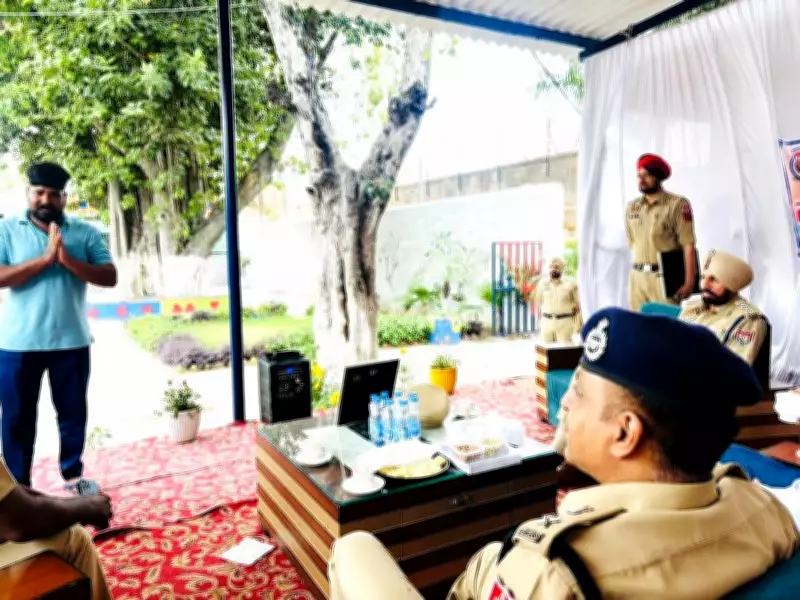
The Malerkotla administration in Punjab has launched a comprehensive rehabilitation program aimed at supporting individuals struggling with drug dependency. This initiative focuses on providing holistic care to help dependents recover and reintegrate into society effectively.
Key Components of the Rehabilitation Program
The program includes multiple facets designed to address both the physical and psychological aspects of addiction. Medical treatment is a core element, offering detoxification and medication-assisted therapy to manage withdrawal symptoms and reduce cravings. Alongside this, professional counseling services are available to tackle the underlying mental health issues and behavioral patterns associated with substance abuse.
Skill development workshops form another crucial part of the initiative, equipping participants with vocational training to enhance their employability and foster self-sufficiency. The administration has also established support groups to create a community network, encouraging peer support and long-term recovery through shared experiences and accountability.

Administrative Efforts and Community Involvement
Local authorities have been actively involved in facilitating this program, coordinating with healthcare providers, NGOs, and community leaders to ensure its smooth implementation. Awareness campaigns are being conducted to educate the public about the dangers of drug abuse and the availability of rehabilitation services, aiming to reduce stigma and encourage more individuals to seek help.
The initiative reflects a broader effort to combat the drug epidemic in Punjab, a region that has faced significant challenges related to substance abuse. By focusing on rehabilitation rather than punitive measures, the program aims to offer a compassionate and sustainable solution to dependency issues.
Expected Outcomes and Future Plans
Officials anticipate that this program will lead to improved recovery rates and better social integration for dependents. Success stories from early participants are expected to inspire others to enroll, potentially reducing the overall prevalence of drug abuse in the area. The administration plans to monitor the program's effectiveness closely and may expand it based on feedback and results, possibly incorporating more advanced therapies or extending services to neighboring regions.
This rehabilitation effort underscores the importance of addressing drug dependency through a multi-faceted approach that combines medical, psychological, and social support. It represents a proactive step towards building a healthier and more resilient community in Malerkotla and beyond.