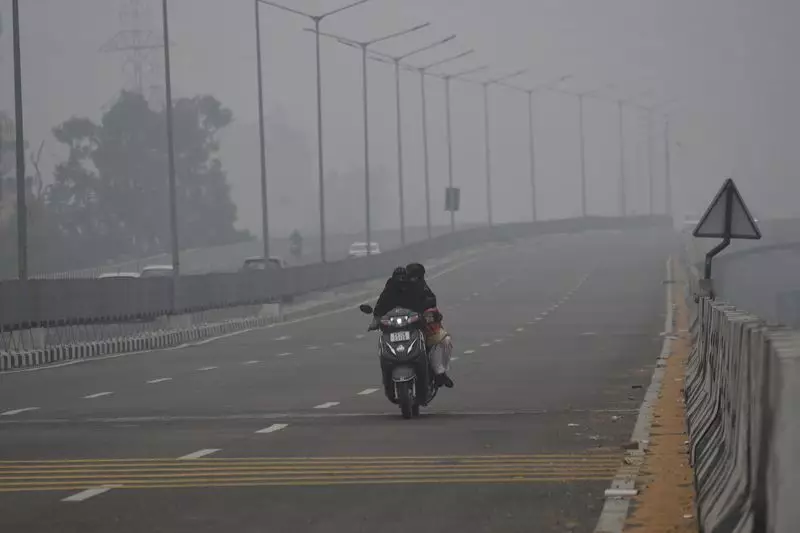
As a severe cold wave tightens its grip over North India, the industrial city of Ludhiana is witnessing a heartening display of community spirit. With night temperatures dipping sharply, the city's poor and homeless are facing a brutal battle for survival. In response, a coalition of compassionate citizens, social organizations, and religious institutions has mobilized, transforming the urban landscape into a network of warmth and hope.
A City Shivers: The Plight of the Vulnerable
The recent spell of intense cold has been particularly harsh for daily wage laborers, homeless families, and street dwellers across Ludhiana. Night temperatures have fallen to a biting 5-6 degrees Celsius, making life on the streets nearly unbearable. For those without proper shelter or warm clothing, each night becomes a dangerous ordeal. The situation is especially dire for the elderly and young children exposed to the elements.
Visuals from various parts of the city paint a grim picture: people huddling under thin sheets near roadside bonfires, seeking meager warmth from burning trash. Auto-rickshaw drivers and cycle rickshaw pullers, who spend long hours outdoors, are also among the worst affected, struggling to protect themselves from the penetrating chill while they work.

Hearts of Gold: The Relief Efforts in Action
In the face of this adversity, Ludhiana's Good Samaritans have not stood by. A significant relief operation is underway, spearheaded by local NGOs and volunteers. One of the key figures in this effort is Rohit Kalra, the president of the NGO 'Aao Haath Badhayen'. His organization has been actively distributing essential winter supplies to those in need.
"Our teams are working round the clock," Kalra explained. "We are focusing on the most vulnerable pockets of the city - near railway stations, bus stands, and under bridges where the homeless congregate." The aid packages typically include heavy blankets, warm clothes, and packets of ready-to-eat food. The scale of the need is immense, with hundreds of individuals relying on this charity to get through the night.
Beyond organized NGOs, the spirit of giving has touched individual residents and businesses. Many people are independently purchasing blankets and distributing them. Local gurdwaras, following the timeless Sikh principle of 'Langar' (community kitchen), have extended their services, providing not just hot meals but also acting as temporary night shelters for anyone seeking refuge from the cold.
Community Kitchens and Makeshift Shelters
The response has taken on a decentralized, community-driven model. Small groups of volunteers are setting up makeshift community kitchens in open areas, serving steaming hot tea, 'dal' (lentils), and 'roti' (flatbread). These spots provide not just physical warmth but also a sense of dignity and care to the recipients. The effort underscores a powerful truth: in times of crisis, societal bonds often prove stronger than governmental machinery.
While these private efforts are laudable, they also highlight a gap in permanent infrastructure for the homeless during extreme weather. Volunteers on the ground report that the demand for blankets far exceeds the current supply, indicating that the problem is systemic and requires sustained attention beyond immediate crisis management.
The Road Ahead: Sustaining Compassion
The current wave of generosity in Ludhiana offers a crucial lesson in civic responsibility. However, the activists involved stress that winter relief cannot be a one-time event. The cold conditions are expected to persist for several more weeks, requiring a prolonged and organized response.
Leaders like Rohit Kalra are calling for more systemic collaboration. They urge the municipal corporation and district administration to officially open more night shelters ('rain baseras') and ensure they are well-equipped and accessible. They also encourage residents who wish to help to coordinate with established NGOs to ensure aid reaches the neediest efficiently, avoiding duplication of effort.

The story unfolding in Ludhiana's chilly streets is ultimately one of resilience—both of the poor enduring the winter and of the community rising to support them. It is a powerful reminder that humanity's warmth can be the most effective shield against nature's cold, turning a city known for its industry into a beacon of collective empathy.