Ludhiana Health Department Intensifies Fight Against Malaria and Dengue
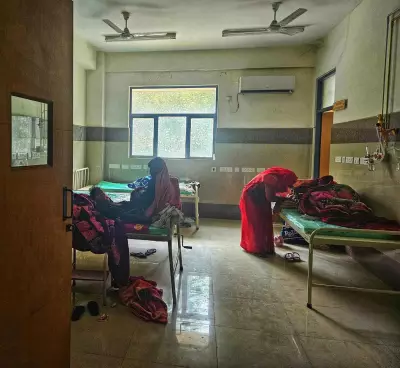
In response to recent reports of vector-borne diseases, the Ludhiana health department is ramping up efforts to combat malaria and dengue across the district. Official data confirms two cases of malaria and one case of dengue have been recorded this year, prompting immediate action from health authorities.
Case Details and Larval Detection
The two malaria cases originated from distinct locations within Ludhiana. One case was reported from Dhandra Road, while another emerged from the CMC Doctor campus. Simultaneously, health officials confirmed a dengue case from Anand Colony in the Koom Kalan area, highlighting the spread of these diseases in urban settings.
Regarding larval surveillance, the district health department has conducted extensive checks, examining 735,108 houses until March 22. Breeding sites were identified in two residences located in Maloud and Sidhwan Bet, indicating localized hotspots that require targeted intervention.

Staffing Challenges and Awareness Initiatives
To address these threats, the health department has formally requested higher authorities to approve the hiring of 300 breeding checkers. These personnel would be tasked with inspecting properties and destroying larvae using larvicide. However, despite repeated appeals to the state health department, no checkers have been hired yet, creating a significant operational hurdle.
Despite this staffing delay, the department has proactively launched public awareness campaigns. By the end of March, 169 camps were organized, distributing 177 posters and 1,015 pamphlets to educate residents about preventive measures. These efforts are part of a broader strategy to curb disease transmission.
Historical Context and Community Involvement
The urgency of these measures is underscored by Ludhiana's recent history with malaria. Last year, the district reported 128 malaria cases, marking the highest incidence since 2014. In response, higher authorities have mandated weekly awareness programs every Tuesday, specifically targeting migrant populations in slum areas and brick kilns, which are considered high-risk clusters.
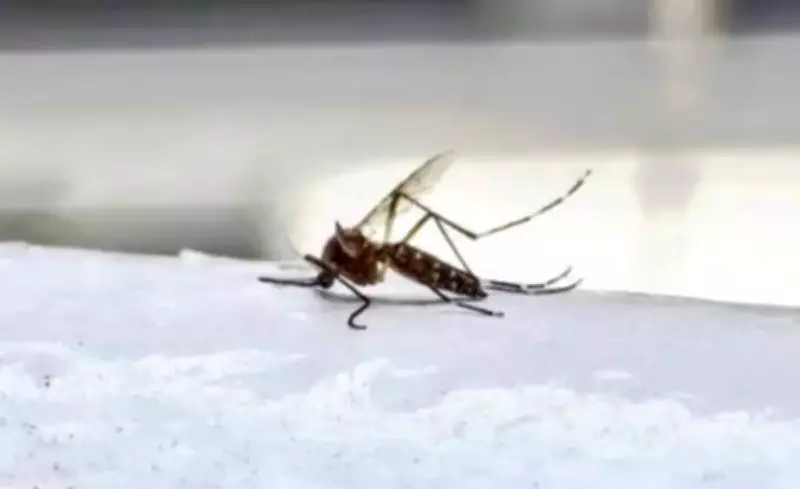
Local residents are now calling for early preventive actions from both the health department and the Municipal Corporation, which oversees fogging operations. Hardeep Singh, a Ludhiana resident, emphasized that early intervention against breeding sites could significantly reduce patient numbers. He also stressed the importance of community cooperation, urging the public to assist by ensuring water does not stagnate in containers, which serve as breeding grounds for mosquitoes.
This collaborative approach between civic authorities and the community is viewed as essential to preventing a recurrence of previous years' disease spikes. As the health department navigates administrative challenges in securing specialized manpower, the focus remains on mitigating risks in vulnerable areas across Ludhiana.