Lucknow Survey Maps Over 10 High-Risk Zones for Severe Kite-String Injuries
A recent survey conducted by The Times of India in Lucknow has identified more than ten locations across the city as high-risk zones for kite-string injuries, amid a concerning rise in such accidents. The mapping reveals a pattern of severe injuries, including deep neck cuts and facial wounds, reported primarily from busy traffic corridors and dense residential pockets, especially during peak kite-flying hours and holidays.
Dangerous Strings and High-Risk Areas
The findings underscore the urgent need for protective measures at identified hotspots to reduce the risk of fatal incidents. The use of banned Chinese manjha and heavily glass-coated strings significantly increases the danger for commuters, particularly two-wheeler riders. These threads, sharpened with finely ground glass, can cause deep slits upon contact, acting like rigid blades when entangled around a rider's neck.
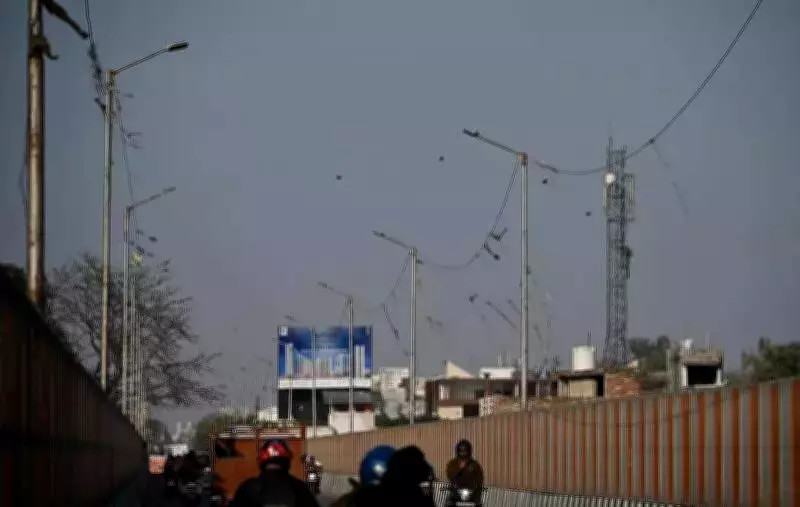
Areas flagged as high-risk include old city pockets such as Nakkhas, Chowk, Daliganj, Daliganj, Nishatganj, Talkatora mill area, Aishbagh, Naka Hindola, Aminabad, and Hussainganj. Residential zones like Rajajipuram, Indiranagar, Khurramnagar, Mahanagar, and Gomtinagar have also reported repeated incidents. Several flyovers and bridges over the Gomti river have emerged as particularly hazardous stretches, where loose strings snag on railings or light poles, forming nearly invisible traps across roadways.

Victim Accounts and Growing Concerns
Residents and activists have raised alarms over the growing use of powdered glass, often sourced from discarded bottles, to coat threads. They argue that the issue has escalated beyond carelessness into an unregulated trade. Victims like Rajeev Sharma, who suffered an injury last year, now avoid taking the Vivekananda bridge in the evening, recalling an incident near Aliganj.
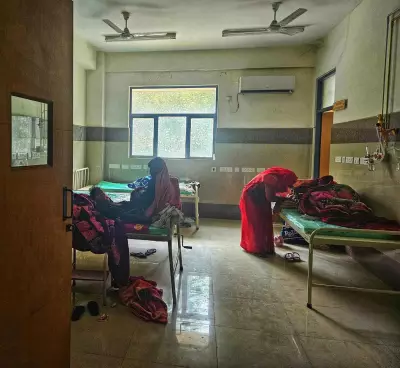
College student Mohammad Harris, injured in Daliganj, shared, "The cuts on my ear needed stitches. I couldn't attend classes for days, and the scars are still visible." Access to immediate help poses another challenge, as highlighted by Sanjay Tiwari, who was injured near Mahanagar and relied on a passer-by to rush him to the hospital due to traffic and shock.
Recent Fatalities and Calls for Action
Recent fatalities have intensified concerns, such as the death of Dubagga resident Mohammad Shoaib, 35, whose throat was slit by a kite string near Bazarkhala last week. Several others have survived similar encounters with severe injuries across the city. In response, kite clubs and social organizations are calling for action against the manufacture, sale, and use of hazardous strings, along with safety steps on bridges and flyovers.
Expert Recommendations for Safety
Veteran kite flyer Ustad Agha Bhayyu emphasized that kite flying is skill-based and does not require dangerous thread. He urged flyers, especially children, to avoid Chinese manjha and thick glass-coated strings, noting that traditional ground flying is safer than rooftop flying near traffic corridors. Young flyer Tanveer Ahmad pointed out that Chinese manjha remains popular due to its affordability and availability, while traditional enthusiasts prefer No. 30 cotton thread, which snaps under tension and is less likely to cause severe injury.
Imran Ahmad, who runs a kite-flying club, suggested preventive measures, such as tying steel wires between poles near bridges to trap falling strings before they reach the road, which could be expanded with official support. Senior flyer Rajesh Jaiswal called for government intervention, advocating for the installation of warning boards and protective barriers on flyovers and other incident-prone stretches, along with stricter enforcement against banned manjha to prevent further loss of life.