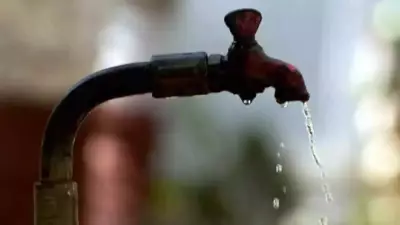
The historic city of Lucknow is staring at a potential public health emergency due to the alarming risk of contamination in its drinking water supply. A reality check has revealed that water pipelines in numerous localities run perilously close to or through open sewage drains, creating a direct threat of sewage mixing with potable water if these aging pipes crack or leak.
Citywide Inspection Reveals Alarming Infrastructure Lapses
This inspection was prompted by the recent tragedy in Indore, where several lives were lost due to contaminated water consumption. The survey across Lucknow identified damaged and vulnerable pipelines in key areas including Chowk, Hazratganj, Kursi road, Meerbai Marg, Thakurganj, and Gaughat. In many of these neighbourhoods, water supply lines run parallel to open sewage drains, drastically heightening the risk of cross-contamination.
Observers noted broken and leaking pipelines at multiple sites, often accompanied by common sewage overflow in the immediate vicinity. This dangerous proximity means that during pressure fluctuations in the water lines or during repair work, polluted drain water can easily seep into the drinking water supply.

Residents Report Foul Water, Voice Health Fears
The ground reality is already causing distress among citizens. Residents from several affected areas have complained about foul-smelling and discoloured water flowing from their taps. Preeti Rastogi, a homemaker from Adilnagar on Kursi road, reported that yellow, foul-smelling water had been supplied for over a week. "We had stopped using this water for drinking. The issue was resolved on Saturday only after we made repeated complaints," she stated.
In localities like Rana Pratap Marg and Meerbai Marg, people expressed serious concerns over the city's crumbling water infrastructure and the absence of regular monitoring, especially in congested old quarters. Rajesh Verma, a resident near Meerbai Marg, highlighted the injustice: "We pay taxes for basic services, yet we are forced to buy bottled water or rely on bore-wells. The risk is even higher for children and the elderly if this contaminated water reaches our homes."
Expert Warns of Imminent Health Crisis, Officials Respond
Public health specialists have sounded a dire warning. Prof Manish Manar of KGMU cautioned that continued neglect of this critical infrastructure could trigger outbreaks of diarrhoea, jaundice, typhoid, and other waterborne diseases, mirroring the recent Indore incident. He stressed the urgent need for pipeline repairs, physical separation of water and sewer lines, and large-scale water quality testing to avert a full-blown health crisis. "Timely intervention is critical to prevent a tragedy," he emphasized.
Responding to these concerns, Kuldeep Singh, General Manager of Jalkal, stated that efforts are underway to replace vulnerable pipelines under new projects wherever feasible. "We conduct periodic checks for leakages and repair them immediately. Residents can also lodge complaints if they find water quality compromised, and the issue will be resolved the same day," he assured.
However, the visible infrastructure gaps and resident complaints point to a systemic issue that requires more than just reactive repairs. The situation demands a comprehensive, city-wide audit and a swift, coordinated action plan to secure Lucknow's drinking water supply before a preventable disaster strikes.