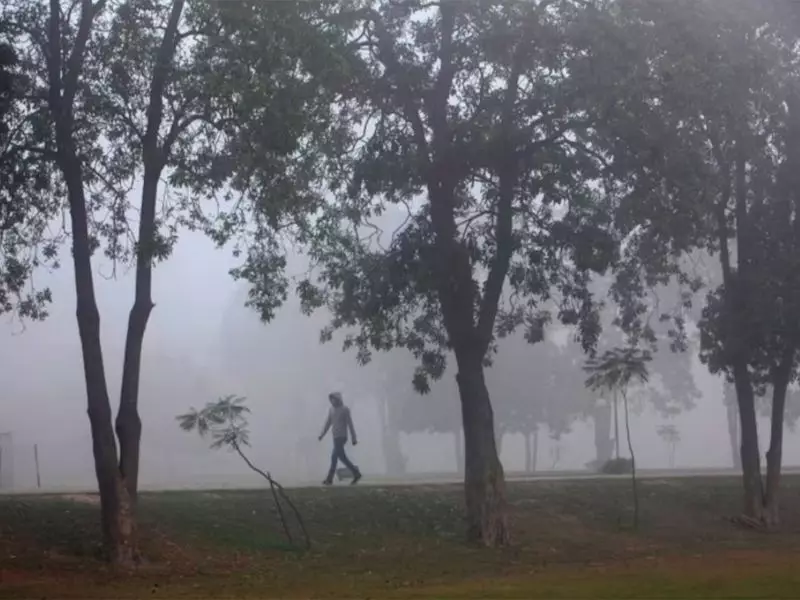
The bustling Pakistani port city of Karachi has been engulfed by a thick, hazardous blanket of smog, pushing air quality to dangerously unhealthy levels and triggering serious health concerns among medical experts and residents alike.
Alarming Air Quality Measurements
Recent environmental monitoring has revealed shocking air pollution statistics across Karachi. The Air Quality Index (AQI) reached a hazardous 325 in the city's Korangi area, placing it firmly in the 'hazardous' category that poses severe health risks to all residents. Other districts including Site Area, Clifton, and Malir recorded AQI levels ranging from 200 to 300, categorizing them as 'very unhealthy' to 'hazardous.'
Environmental expert Rafeh A. Lakhani provided crucial context, explaining that AQI levels between 151-200 are considered unhealthy, 201-300 are very unhealthy, and anything above 301 qualifies as hazardous. The current readings place Karachi among the world's most polluted cities, with particulate matter concentrations far exceeding safe limits.

Immediate Health Impacts and Expert Warnings
Medical professionals across Karachi are reporting a significant surge in patients suffering from smog-related health complications. Dr. Abdul Ghafoor Shoro of the Pakistan Medical Association has issued urgent warnings about the severe health implications, particularly for vulnerable populations.
Children, elderly citizens, and individuals with pre-existing respiratory conditions face the highest risk from the toxic air. Hospitals are witnessing increased cases of asthma attacks, bronchitis, eye infections, throat irritation, and persistent coughing. The microscopic pollutants can penetrate deep into lungs and bloodstream, causing both immediate and long-term health damage.
Medical experts unanimously recommend that all residents should wear face masks when outdoors, particularly N95 masks that can filter out fine particulate matter. They also advise limiting outdoor activities, especially during morning and evening hours when pollution concentrations peak.
Root Causes and Environmental Concerns
The severe smog crisis stems from multiple pollution sources converging during the winter months. Industrial emissions, vehicle exhaust, construction dust, and crop burning all contribute to the toxic mix that settles over the city. Meteorological conditions, including temperature inversion, trap these pollutants close to the ground, preventing their dispersion.
Environmental specialists emphasize that this is not merely a seasonal inconvenience but a full-blown public health emergency requiring immediate government action and public awareness. The situation mirrors similar air quality crises experienced in other South Asian cities, highlighting the regional nature of environmental pollution challenges.
As Karachi continues to grapple with this invisible killer, health authorities urge residents to take protective measures seriously and demand coordinated efforts from environmental agencies to address the root causes of this recurring crisis.