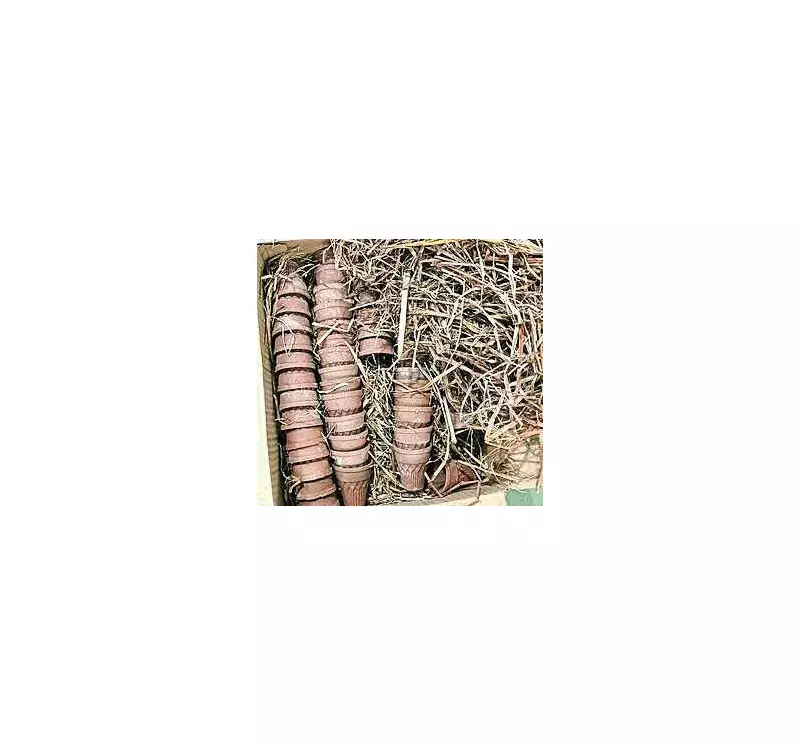
In a significant move for public health and environmental sustainability, the district health administration in Kandhamal has officially prohibited the use of disposable paper cups at the Phulbani District Headquarters Hospital. This ban, effective from the start of the new year, marks a decisive step towards eliminating a potential health hazard from the hospital premises.
Health Risks of Disposable Cups Prompt Ban
Chief District Medical and Public Health Officer, Dr. Santosh Kumar Padhy, explained the rationale behind the decision. He clarified that disposable cups are not made of paper alone. Manufacturers line them with a thin polyethylene film to prevent leaks. When hot beverages like tea or coffee are poured into these plastic-coated cups, the lining softens and degrades.
This process releases microplastics and harmful chemicals directly into the drink, posing serious health risks. Dr. Padhy highlighted that once these microplastics enter the body through food or drink, they could contribute to various diseases, including cancer. This compelling health concern led the administration to discourage the use of such cups within hospital facilities.

Clay Cups: The Eco-Friendly and Healthy Alternative
As a sustainable replacement, the hospital administration is actively urging patients, attendants, and staff to adopt traditional clay tea cups. Dr. Padhy emphasized that clay cups are not only eco-friendly and fully recyclable but also help in creating a healthier environment by eliminating the risk of microplastic ingestion.
An added benefit of this initiative is the support it provides to local potters, whose livelihoods are bolstered by the demand for these handmade cups. To ensure a smooth transition, the health department ran an awareness campaign for nearly a month, educating tea-stall owners near the hospital and other key locations about the change.
Phased Implementation and Community Support
The restriction is currently in place at the main district headquarters hospital, which has around 430 beds and serves approximately 2,000 cups of tea daily. The plan is to gradually extend this ban to all sub-divisional and community health centres across Kandhamal district.
Community support has been encouraging. Several donors have come forward to provide clay cups free of cost for patients and their attendants for about a month, facilitating the shift. Environmental activists have welcomed the move. Sudhir Rout, a local environmental activist, praised the Kandhamal health administration for its proactive step in preventing microplastic circulation and urged other health officials to implement similar restrictions.
This initiative by the Kandhamal district health administration represents a holistic approach, addressing critical public health concerns, supporting local artisans, and promoting environmental conservation.