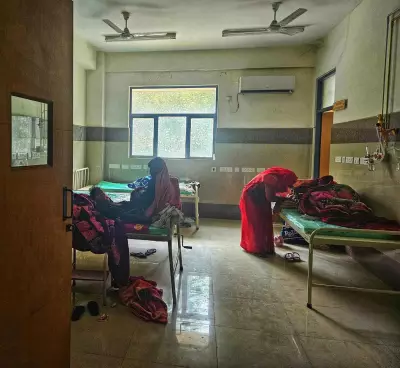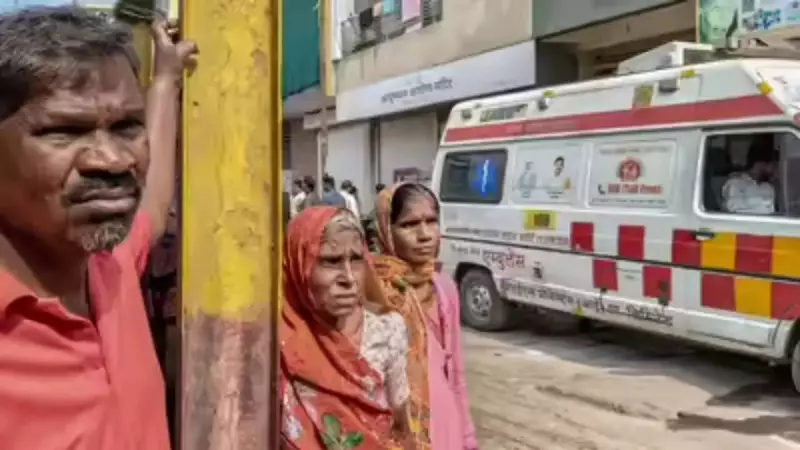
A major public health crisis has gripped Indore, with 142 people still hospitalised, including 11 in intensive care units, following a severe diarrhoea outbreak linked to contaminated drinking water. Health officials have stated the situation is now under control, even as fresh cases continue to emerge from the affected area.
Scale of the Outbreak and Response
The outbreak, centred in the Bhagirathpura locality, has led to a massive door-to-door screening operation. Health teams identified 20 new cases after examining a staggering 9,416 residents from 2,354 households. Since the crisis began, a total of 398 patients have been admitted to various hospitals, with 256 having recovered and been discharged.
The official death toll stands at six, but this figure is disputed. While Mayor Pushyamitra Bhargava earlier cited 10 fatalities, local residents have claimed that 16 people, including a six-month-old infant, have lost their lives due to the waterborne illness.

Political Fallout and Allegations of Negligence
The tragedy has ignited a fierce political row in Madhya Pradesh. The Congress party has held statewide protests, demanding the resignation of senior minister Kailash Vijayvargiya over his controversial remarks on the contamination issue. State Congress president Jitu Patwari has threatened intensified protests on January 11 if immediate corrective measures are not taken.
Patwari alleged that residents of Bhagirathpura had been complaining about contaminated tap water for over eight months, and even water supplied via tankers was unsafe. The party has demanded a judicial inquiry and criminal action against the mayor and civic officials.
In a related development, a sub-divisional magistrate in neighbouring Dewas was suspended for alleged negligence after copying portions of a political memorandum into an official order concerning law-and-order arrangements during the protests.
Root Cause and Expert Analysis
Preliminary investigations point to a sewage overflow entering drinking water pipelines as the cause of the outbreak, leading to severe cases of vomiting and diarrhoea. A team from the National Institute for Research in Bacterial Infections (NIRBI) in Kolkata has arrived in Indore to probe the outbreak and provide technical support for containment.
Renowned water conservationist Rajendra Singh labelled the incident a “system-created disaster”, pointing to corruption in urban water supply planning. He highlighted the recurring risk of contamination due to the practice of laying drinking water pipes close to drainage lines. Singh noted that this incident is particularly alarming for Indore, a city consistently ranked as India's cleanest, and raises serious concerns about the safety of drinking water systems in other urban centres across the country.