

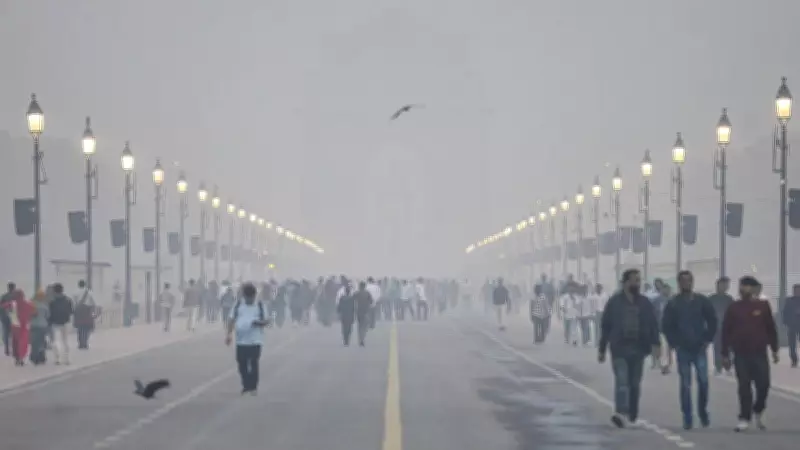
Indoor Air Pollution Emerges as India's Looming 'Grey Rhino' Threat
In a stark warning, environmental and public health experts are highlighting that the air we breathe indoors in India could be the next "grey rhino"—a term for a highly probable, high-impact risk that is often ignored until it's too late. While outdoor air pollution has dominated headlines, indoor air quality is increasingly seen as a silent but severe health hazard, exacerbated by rapid urbanization, inadequate ventilation, and the use of polluting fuels.
The Hidden Danger Within Our Homes and Offices
Indoor air pollution stems from various sources, including cooking with solid fuels like wood and coal, tobacco smoke, building materials, and household cleaning products. In many Indian households, especially in rural areas, reliance on traditional stoves without proper chimneys releases harmful particulates and gases, leading to respiratory diseases, heart problems, and even premature deaths. Urban settings are not immune, with poorly ventilated apartments and offices trapping pollutants from traffic, industrial emissions, and indoor activities.
Studies indicate that indoor air can be up to five times more polluted than outdoor air in some regions, posing a direct threat to vulnerable groups such as children, the elderly, and those with pre-existing health conditions. The lack of awareness and regulatory frameworks compounds the issue, making it a ticking time bomb for public health.

Why It's Called a 'Grey Rhino'
The "grey rhino" metaphor, popularized by risk analyst Michele Wucker, refers to obvious dangers that are neglected despite their clear and present threat. In India, indoor air pollution fits this description perfectly: it's a widespread problem with well-documented consequences, yet it receives minimal attention compared to outdoor smog. Experts argue that this oversight could lead to a surge in non-communicable diseases, straining the healthcare system and reducing productivity.
Key factors driving this crisis include:
- Rapid urbanization leading to cramped living spaces with poor air circulation.
- Continued use of biomass fuels in millions of households, despite government schemes promoting cleaner alternatives.
- Inadequate building codes that fail to mandate proper ventilation systems.
- Low public awareness about the health risks of indoor pollutants.
Urgent Calls for Policy and Action
To address this looming threat, experts are urging policymakers to prioritize indoor air quality in public health agendas. Recommendations include:
- Implementing stricter ventilation standards in residential and commercial buildings.
- Accelerating the adoption of clean cooking solutions, such as LPG and electric stoves, through subsidies and awareness campaigns.
- Integrating indoor air quality monitoring into existing pollution control frameworks.
- Promoting research on the long-term health impacts and cost-effective mitigation strategies.
Without swift action, indoor air pollution could escalate into a full-blown health emergency, mirroring the challenges posed by outdoor air pollution. As India grapples with environmental issues, recognizing and tackling this "grey rhino" is crucial for safeguarding the well-being of its citizens and ensuring sustainable development.






